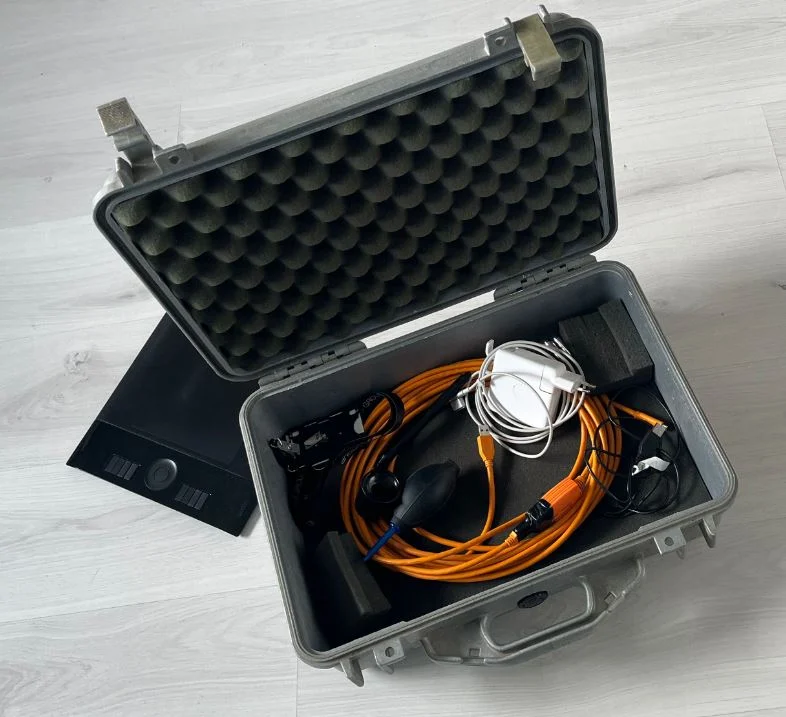

Taking gear on the water can involve more risk than many realise. A splash, an unexpected downpour, or even a case overboard can threaten valuable equipment. Not all cases promise complete waterproofing or the peace of mind that comes with floatable security.
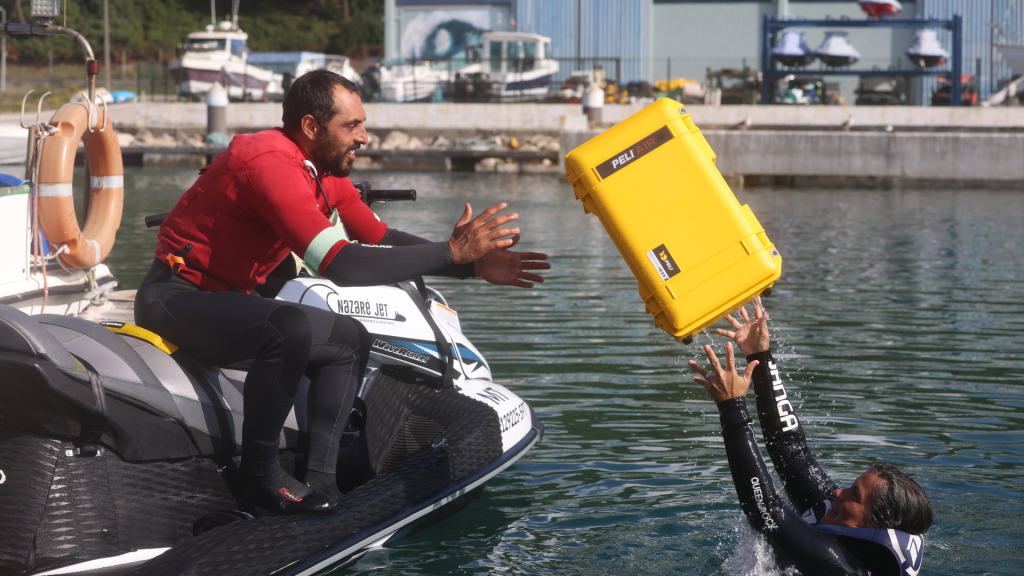
Challenges Faced by Cases on the Water
Boating exposes your kit to hazards like rain, spray, and submersion. Cases that claim to be water-resistant sometimes only prevent splashes, not full immersion. Prolonged exposure can find weaknesses in seals and valves, leading to hidden leaks.
Cases protected only by flimsy gaskets or minimal latches are especially prone to failure. Regular checks are vital. Products designed specifically for marine environments minimise these risks. Knowing your case’s IP rating is a starting point, but understanding its limits is essential for true protection for marine gear.
Understanding Waterproof Ratings
Not every “waterproof” case can handle the demands of boating adventures. An IP67 rating means a case can withstand submersion in one metre of water for 30 minutes. Most Protector cases bear this rating, making them a reliable choice for deck or dock use.
Some cases might advertise high ratings yet fail under repeated exposure, especially if dust, grit, or salt degrade the seals. Always check a case’s official specifications rather than relying on generic marketing terms or ambiguous “water resistance”. Reading about cases that withstand tough conditions can further your understanding.
The Importance of Floatability
Dropping gear in the water is a real risk for paddlers, sailors, and anglers. While plenty of cases are water-tight, not all will float. The ability of a case to float depends on the air trapped inside and the combined weight of the case and its contents.
Cases filled with heavy equipment, such as camera bodies or multiple lenses, are less likely to remain afloat. While PELI cases do not advertise certified floatability, smaller models such as the Protector 1010 or Air 1485 often float when loaded lightly. Always test your chosen setup before heading out.
Design Features That Prevent Water Ingress
Successful waterproof cases use quality seals, sturdy latches, and strong hinges. O-ring gaskets are key components. In Protector and Air cases, you’ll find these gaskets lining the case opening, blocking water and dust.
Strong double-throw latches improve the grip that keeps a case closed, even during impacts. Multiple points of contact between the lid and base reduce the risk of accidental leaks. Accessories such as Pick N Pluck foam and TrekPak dividers protect the equipment but also help limit water flow if an accident does occur.
Why Pressure Valves Are Important for Boaters
Sudden weather shifts cause air pressure changes. When boating, you may seal your case at sea level, then open it after a thunderstorm or in cooler conditions. Without a pressure valve, unequal pressure inside the case can force seals to deform or make the case difficult to open.
Storm cases are fitted with Vortex valves. These allow air to equalise without permitting water to enter, preserving waterproof integrity and making them ideal for boaters. This feature minimises the risk of unintended leaks and helps ensure contents remain dry no matter how quickly conditions change.
Protection Against Saltwater and Corrosion
Saltwater is more challenging than fresh water. It can corrode metal hardware and degrade plastics. This eventually compromises waterproofing. When selecting a case, look for corrosion-resistant materials and robust hardware.
Protector, Air, and Storm cases use stainless steel pins, corrosion-resistant polymers, and high-performance resins that withstand salt spray. Case interiors should feature options like foam or padded dividers to prevent moisture from pooling around sensitive components. For a long-term approach, reading about marine-grade protective cases is recommended.
Tips to Maintain Waterproof Performance
Routine care will improve the lifespan of a waterproof case. Wipe seals and gaskets after exposure to water, and check them for cracks or grit. Ensure latches close fully each time.
Rinse off saltwater before allowing the case to dry. Store your case with the lid open occasionally to let out any trapped moisture. Testing the watertightness before a lengthy trip is always wise. Carry a suitable case size for your needs, such as the Storm iM2500, which combines boat-friendly proportions with portability.
Selecting the Best Case for Boating
Assess your typical boating environment and identify your priorities. Is floatability more important than storage size? Are you carrying specialist kit like GPS units or drones? For compact loads, micro and Air models might meet your needs. For larger items or increased ruggedness, Protector and Storm cases offer additional durability.
Flat surfaces improve stacking on deck or in a vehicle. Sturdy handles help with rapid deployment. Models such as the Protector 1510 and Air 1535 are sized to be carried onto craft or stowed beneath seats and benches.
Boating enthusiasts seeking reassurance that their kit will stay dry, afloat, and secure should always consider construction quality, hardware, and official waterproof certifications. For in-depth advice and the latest innovations in case development, visit PELI.