
From a studio in Düsseldorf, where the latest camera systems meet the grain and texture of an older era, Peli ambassador Nicolas Heinzel has built a cinematic language entirely his own. A director, cinematographer and editor, Nicolas crafts dark, emotional stories that reinterpret the nostalgia of 1990s cinema through a thoroughly modern lens, work that lingers in the mind long after the screen fades to black.
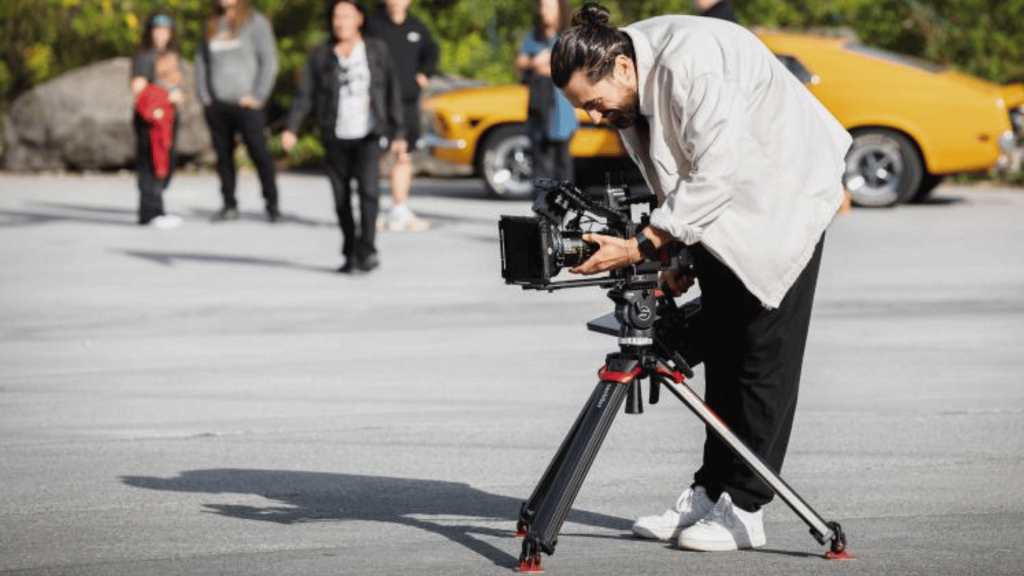
His films have been recognised at some of the most respected festivals in the world. He has been nominated at the Cannes Film Festival and has won the Best Horror category at the Cannes World Film Festival, the Hollywood Best Indie Film Award, the Red Movie Awards and the Berlin Indie Film Festival, alongside an Official Selection at ARFF Berlin and a nomination at the Barcelona Indie Awards.
Through his production company, One Shot Production, Nicolas brings cinematic stories to life, from branded content to narrative projects. Yet what defines his work is not only the polish of the final image, but the atmosphere that surrounds it, and the discipline and care that hold every production together, from the first setup to the safe transport of his gear.
We sat down with Nicolas to talk about the roots of his visual style, the psychology of fear, and why reliable protection for his equipment is never an afterthought.
Your work is characterised by a distinctive visual language, blending dark, emotional storytelling with a modern reinterpretation of 1990s cinema. How did you develop this aesthetic, and what continues to inspire it today?
In my cinematic storytelling, I aim to create a dark, nostalgic aesthetic, reinterpreted through a modern lens. For me, it is about merging cutting-edge technology, especially the latest camera systems, with a very distinctive lighting approach inspired by older films.
I often combine modern digital cameras with cinema lenses that carry a more organic, imperfect and nostalgic character. A big part of my process is about softening the overly clean and digital look of today’s technology, breaking it slightly to create something with more texture and emotional depth.
What drives me is a certain resistance to the mainstream aesthetic. A lot of today’s content feels very polished, very sharp and technically perfect, but sometimes lacks character. I am more interested in creating a visual language that feels timeless, something that could have existed twenty years ago and will still work twenty years from now.
This approach goes beyond camera and lighting. It also includes production design, costumes and locations. Everything contributes to building a world that feels cohesive, emotional and lasting.
Your short films have received international recognition, including multiple awards for Best Horror at festivals such as Cannes and Berlin. What do you believe resonates most strongly with audiences in your work?
For me, it is not just about telling a story, it is about creating a feeling. I want the audience to experience a certain atmosphere, something that stays with them beyond the film itself.
That means every element matters: the visuals, the sound, the pacing, the overall composition. I am especially interested in the psychological dimension of storytelling, exploring fears, tension and emotions that people can relate to on a deeper level.
It is important to me that the audience does not just watch, but feels and connects. Ideally, they identify with the characters and are emotionally involved in what is happening.
I do not want to create something people simply watch and move on from. I want to leave them with something that lingers, something that makes them reflect, question and maybe even relate it back to their own life.
Horror as a genre often relies heavily on atmosphere and tension. What are the key elements you focus on to create a lasting emotional impact on the viewer?
For me, horror is not just about fear, it is about depth. I want the audience to connect with the characters first, to understand them and feel with them. From there, tension can build naturally through situations that feel real and relatable.
I am less interested in quick shock moments and more focused on creating a lasting emotional impact. It is about building tension step by step, allowing it to evolve and intensify over time.
A key element of my approach is not showing everything directly. I often avoid fully revealing the source of fear or the antagonist. Instead, I leave space for the viewer’s imagination.
When you do not show everything, the audience starts to project their own fears and experiences into the story, and that often becomes much more powerful than anything you could explicitly show.
So instead of simply presenting horror, I try to create a space where the viewer becomes part of it.
You frequently combine precise lighting, vintage lenses and unique camera setups to achieve a raw, timeless look. How important is technical experimentation in shaping your visual identity?
Technical experimentation is essential to my work. I feel lucky to be working in a time where technology evolves so quickly, and I actively embrace that, both on set and in post-production.
For me, modern technology is a tool to create a timeless result. It allows me to work efficiently and precisely, but the creative direction always comes from my vision.
At the same time, it also shapes how I approach production. I believe in smaller, more focused sets. A modern set, for me, is not defined by size, but by efficiency, energy and the way people work together.
I have experienced both large productions and very small setups, and I have found that smaller teams often create a more intense and personal atmosphere. It is not just about getting the shot, it is about creating a meaningful experience for everyone involved.
New technology makes this possible. With advanced cameras and lighting, you can achieve high-end results with fewer people, in less time and in a more sustainable way.
Filmmaking often involves demanding environments, complex logistics and sensitive equipment. How do Peli cases support your workflow, and why is reliable protection essential for your cameras and gear on set and on location?
For me, protecting my equipment is fundamental. I am a very structured and organised person, and that mindset carries directly into my work on set.
Everything has its place, everything is clean and everything is handled with care. This structure creates a calm and efficient workflow, especially in demanding environments.
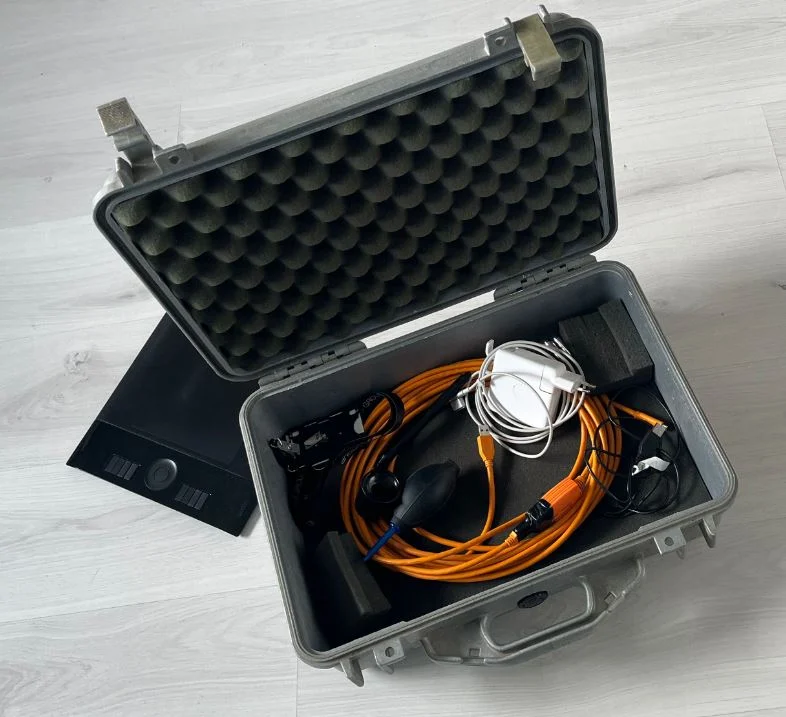
Peli cases are essential in that process. They do not just protect my gear in extreme conditions, whether I am working on beaches, in harsh weather or travelling, but they also help me maintain a clear system.
No matter where I am or what environment I am working in, I can rely on having everything organised and accessible. That consistency allows me to stay focused on the creative side, knowing that my equipment is always safe and ready.
In an industry that is constantly evolving with new technologies and platforms, how do you maintain a balance between innovation and staying true to your artistic vision?
Technology is evolving rapidly, especially with the rise of AI and new creative tools. For me, it is important to stay open to these developments and understand them, but always treat them as tools.
I have a clear visual style and a strong artistic vision. Technology helps me execute that vision, but it does not define it.
I believe in building a solid foundation, working with systems and workflows that I trust, while continuously testing new tools to see what truly adds value.
It is an ongoing learning process. You have to experiment to understand what improves your workflow and what does not.
As long as you stay clear on what you want to create, new technology becomes a powerful support. It allows you to refine your vision and bring it to life more effectively, without losing your identity.
Looking ahead, what legacy do you hope your work will leave, both as a filmmaker and as a creative voice within contemporary cinema?
I see my work as part of a new, modern way of filmmaking, not just in terms of technology, but in how we create and collaborate.
For me, it is not only about the final result. Of course, strong images and successful films matter, but what matters just as much is how we get there.
I want to create work that people feel, not just watch. Something that connects emotionally, that reflects not only the story, but also the human side behind it, the discipline, the journey, the experiences.
At the same time, I care deeply about the people I work with. Whether it is the crew or the actors, I want everyone on set to feel respected, valued and part of something meaningful.
I have often been told that my sets feel different, that people feel seen. And for me, that is just as important as the final film.
In the end, I do not just want to create successful projects. I want to create lasting experiences, for the audience and for the people involved in the process.
Because filmmaking, for me, is about people. It is about emotions, memories and shared experiences. And if my work can carry that forward, while remaining timeless and meaningful, then that is the legacy I want to leave.
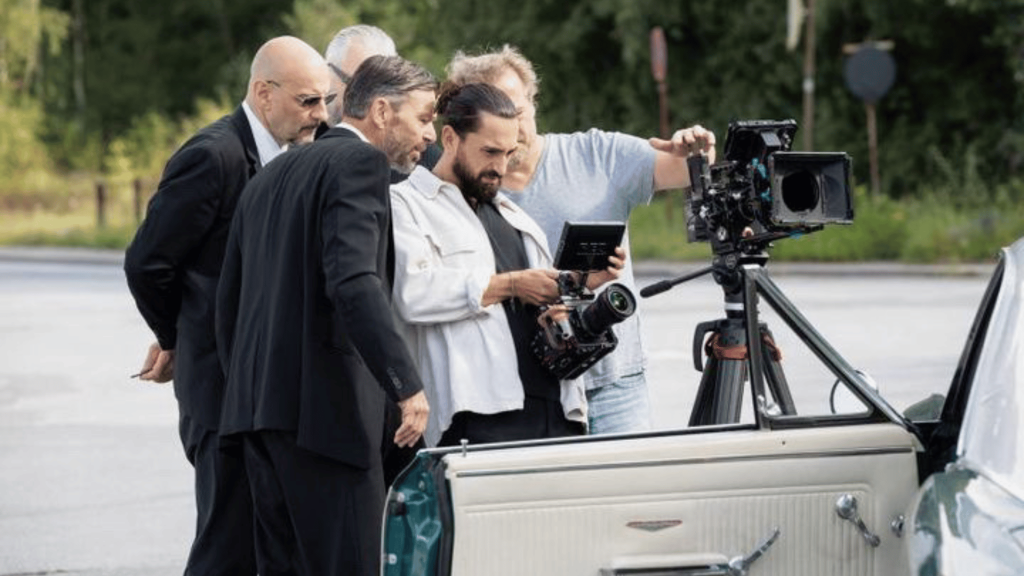
Nicolas Heinzel reminds us that the most powerful horror is rarely the kind that shows everything. It lives in suggestion, in atmosphere, in the space left for the imagination to wander. Through his lens, fear becomes something intimate and human, rooted in characters we recognise and emotions we cannot easily shake.
As he continues to refine his craft, merging the precision of modern technology with the soul of an older era, one thing remains constant: his belief that filmmaking, above all, is about people. About emotion, memory and the experiences we carry with us long after the lights come up.
Connect with Nicolas Heinzel:
Website: nicolasheinzel.com
Instagram: @nicolas.heinzel