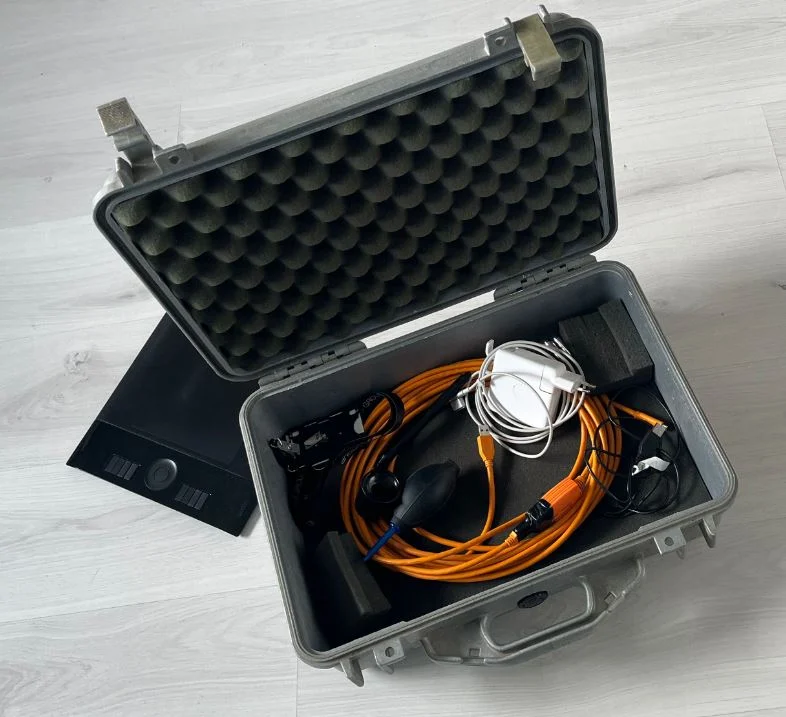

For many collectors, the pursuit of perfect protection is never straightforward. The value, rarity, and fragility of collectible items mean that simply storing them is not enough. Achieving a tailored fit inside a protective case is often a complex and sometimes frustrating process.
Precision Fit Challenges for Collectors
Collectors frequently require a case interior that matches the precise shape of their valuables. Whether it is vintage watches, scale models, rare coins, or bespoke miniatures, standard foam inserts rarely deliver a snug fit for every piece. Gaps or excessive pressure can lead to movement inside the case, risking damage even within a robust shell.
PELI offers several interior options to address these concerns. Pick N Pluck foam is a popular choice, thanks to its perforated cube design. This lets collectors remove small foam sections by hand, sculpting the cavity to the outline of their collectible. However, achieving perfection can be challenging. For pieces with irregular or delicate profiles, the foam’s grid may prove limiting. Clean edges and flowing contours are difficult to replicate. Small miscalculations can leave weak points where the foam tears too easily.
How to Work with Pick N Pluck Foam
Customising Pick N Pluck foam starts with careful planning. Lay out your collection items on the foam and trace their shapes using chalk or a washable marker. This ensures you only remove what is necessary. Pull out one cube row at a time, keeping edges tight to prevent future movement. For more intricate or delicate items, consider reinforcing thinner sections with additional foam or using adhesive to join loose pieces.
One drawback comes from the foam’s uniform depth. Collectors with multi-depth items may find that some pieces sit too high or low, needing extra foam layers or padding beneath for true security. Fine details, such as sculpted figurines or odd-shaped minerals, often require careful trimming or replacement with a custom-cut insert for a flawless fit.
Considerations When Using TrekPak Dividers
TrekPak divider systems offer exceptional flexibility for changing collections. Slim panels and locking pins allow for rapid reconfiguration as new items are acquired or arrangements change. However, practical limitations do arise with collections made up of wildly different shapes and materials.
For one, the dividing panels work best when all items are boxy or have simple contours. Curved items may not sit securely, especially if gaps appear between the divider and the item. Over time, repeated movements can allow pieces to wiggle loose, defeating the system’s purpose. The setup can also be fiddly. Precisely measuring and cutting the panels is time-consuming. Small errors are hard to correct without wasting segments.
Collectors often attempt to combine TrekPak with foam padding or linen wraps for added snugness, but this can complicate quick access and reorganisation. It’s essential to remain patient during setup and expect to adjust the arrangement as the layout evolves.
Using Panel Frames for Custom Case Interiors
Panel frames are commonly overlooked as a collector’s tool, but they offer unique opportunities for case modification. Originally intended for mounting electronic modules or tools, panel frames can be adapted to create secure sub-compartments or supports for collectible items. By attaching custom-moulded panels, shelves, or brackets, collectors can transform a standard case into a bespoke display or transport solution.
Waterproof integrity is a major concern for many collectors. Inserting a panel frame must be done with care to maintain the case’s IP67 protection rating. Most models, such as those in the Protector series, use O-ring seals and dedicated screw mounts to keep water and dust out even after customisation. Always check that the installed panel sits flush and the gasket is secure each time the case is closed.
Balancing Security and Easy Access
Collectors not only want to protect their items but also need to access them quickly without compromising safety. Fast access is particularly vital for those attending shows, exhibitions, or trading events. Accessories like pull-out drawers (on select models) can help, allowing small items or paperwork to remain separate and easily reachable.
However, custom interiors must balance access and protection. Deep foam inserts, while supportive, may slow down retrieval and re-packing. Seek to design compartments that allow for easy gripping and gentle lifting, perhaps by leaving a finger-width gap or using fabric pulls. That way, items remain protected but are not difficult to remove in a hurry.
Practical Advice for Customising Your Case
Experience shows that customising interiors is as much art as science. Here are a few practical tips for collectors seeking the ideal fit:
- Start with a clear layout plan before removing any foam or cutting dividers.
- Mix interior options where possible. A case such as the 1510 from the Protector series can use both Pick N Pluck foam and pull-out drawers together.
- Protect delicate edges and surfaces with soft microfibre or acid-free paper in addition to foam.
- If using TrekPak dividers, keep pin placements away from brittle or lightly armoured objects to avoid accidental pressure.
- Revisit the layout regularly, as collections naturally evolve and may require new solutions.
Selecting the Best Case Series for Collectors
Different case series bring advantages for various collector profiles. Protector cases provide traditional strength, while Air cases are significantly lighter, helping with travel weight restrictions. Storm cases include military-standard ruggedness for those who frequently transport delicate valuables. The Vault series offers greater affordability but may have fewer customisation options for interiors. Each series offers a range of sizes and configurations, essentials when safeguarding valuables with unpredictable shapes.
Final Considerations for Collectors
Customising a protective case for collectibles involves more than simply picking the thickest foam. Achieving a precise, secure, and accessible fit demands experimentation and patience. Explore all available interior options and be diligent about waterproofing and long-term material compatibility. Learn more about case series and custom options at peli.com.