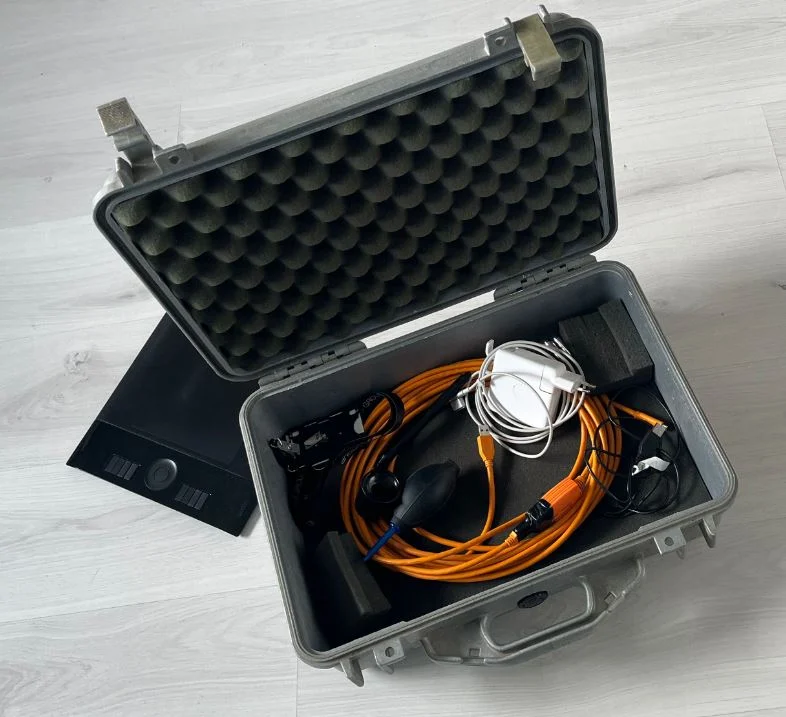

Efficient organisation and protection are vital for professional photographers on the move. Whether the shoot is in the studio or on location, the ability to adapt your kit quickly can mean less stress and fewer missed shots.
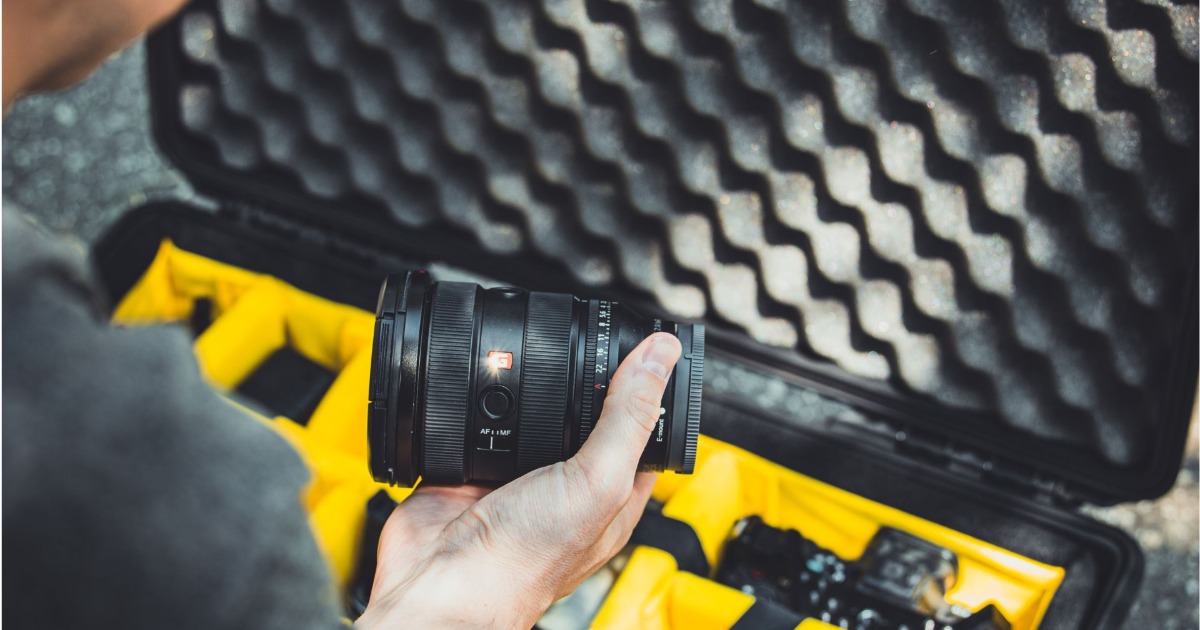
Organising for Fast-Paced Workflows
Modular case systems address the ever-changing nature of photography gear. Photographers often need to swap out cameras, lenses, or lighting modifiers between assignments. A case interior that can be reconfigured at short notice is invaluable. Tools should not be required to reshape your storage, saving time in pressured environments.
Foam inserts with customisable Pick N Pluck sections are widely used. These allow users to tear away small cubes to fit specific pieces of kit. If your requirements change, replacing the foam is a simple process. TrekPak divider systems provide even more flexibility. With adjustable panels and U-shaped clips, each divider can be repositioned or swapped out without any tools required. This flexibility helps to keep your workflow streamlined and efficient. For more detailed advice, see customising protective cases.
Modularity in Practice: Key Considerations
Not every shoot requires the same equipment. One job might demand multiple bodies and primes, while the next needs just a single camera and a telephoto. Modular interiors such as padded dividers or lid organisers let you tailor your setup every time. Lid organisers can store small accessories, batteries, or filters, freeing up the main compartment for larger items. Padded dividers offer a soft, reconfigurable grid suitable for lenses and flashes. For more on this topic, explore modular case interiors.
Careful modular design also helps mitigate the risk of accidental bumps or drops. Sensitive components like tilt-shift lenses or mirrorless bodies with exposed sensors benefit from snug, adjustable interior layouts. Variable divider systems ensure a precise fit, reducing rattling and the risk of damage. This is essential for preventing gear damage during transit.
Lightweight Options for Travel
Air travel habits have shifted in recent years, with photographers prioritising lighter, more manageable cases. Weight matters, not only due to airline restrictions but also personal comfort when hauling gear through airports or remote locations. The Air cases series is 40% lighter than traditional alternatives. These models are made from HPX2 resin, reducing weight without compromising structural integrity.
For those constantly on the move, the Air 1535 is a standout choice. It is wheeled, fits as carry-on luggage for most airlines, and supports all major interior configurations—Pick N Pluck foam, TrekPak, and padded dividers included. This enables you to rearrange the internals for anything from drones to delicate specialist glassware. The 1510, part of the Protector cases range, also meets international carry-on requirements and accepts a full range of modular interior options for ultimate versatility.
Professional Case Choices for Outdoor Use
The modularity of case systems also extends to field resilience. If shoots take you outdoors, waterproofing and durability are as important as layout flexibility. All PELI case ranges—including Air, Protector, Storm, and Vault—carry an IP67 rating and a Lifetime Guarantee. Photographers working in harsher conditions may gravitate towards Storm cases, which are MIL-STD-810F certified for toughness. The iM2500 Storm model fits usual carry-on specifications and features a Vortex valve for pressure equalisation, making it a sensible option for flights or rapid environmental changes.
Vault series cases suit those needing a more affordable, rugged solution with modular interiors. Models such as the V200 or V300 offer protection for camera bodies, audio recorders, or even lighting accessories. For creative professionals, the peace of mind provided by a reliable enclosure allows for more focus on artistry rather than worrying about kit safety.
Versatility for Complex Equipment
Modular divider systems are well suited to the irregular shapes and sizes of creative gear. Delicate wide-angle lenses, odd-shaped microphones, or battery grips can all be securely housed. Dividers can be moved or added according to the next job’s requirements. Foam layouts can be replaced to match evolving collections of glass and accessories. TrekPak panels snap in and out without any hassle, and padded dividers can be arranged to cradle lenses of varying diameters.
The best modular cases make cleaning out dust and sand quick and straightforward. Components are removable, so they can be cleaned or replaced. Adjustability is crucial for photographers who regularly upgrade or swap gear between assignments.
Modular Setups for Dynamic Workflows
For photojournalists and documentary photographers, location and story can change fast. Having a case that adapts is essential. PELI’s modular systems are popular for this reason, giving access to all of the tools needed without requiring last-minute purchases or improvisations. Stackability, waterproofing, and modularity can make a difference to your efficiency and wellbeing.
Packing becomes intuitive and repeatable once your divider setup matches your shoot plan. Down the line, if you need to swap a lens or add a new piece of equipment, it takes just a few minutes to rearrange. These advantages contribute to smoother working days for busy professionals. See the best practices for keeping video gear safe when travelling.
Photographers have a lot to consider: weather, airport rules, and complex kit all play a role. A modular case system adapts as quickly as your work does. For more information, visit PELI for detailed specifications and support.