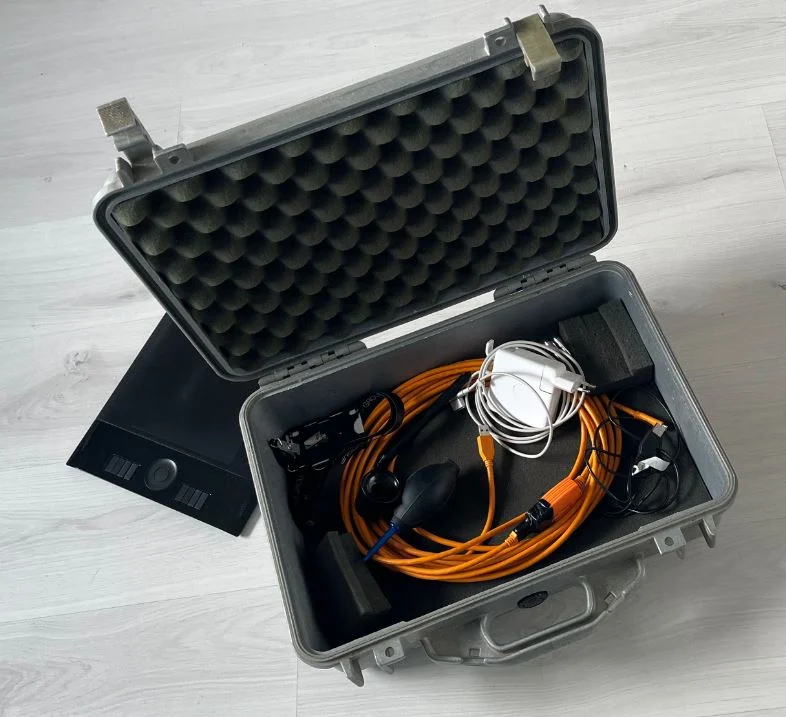

Travelling photographers need to make every kilo count. A sturdy protective case is essential, yet a loaded case that is too heavy can complicate flights, location shoots, and even simple carry to the car.
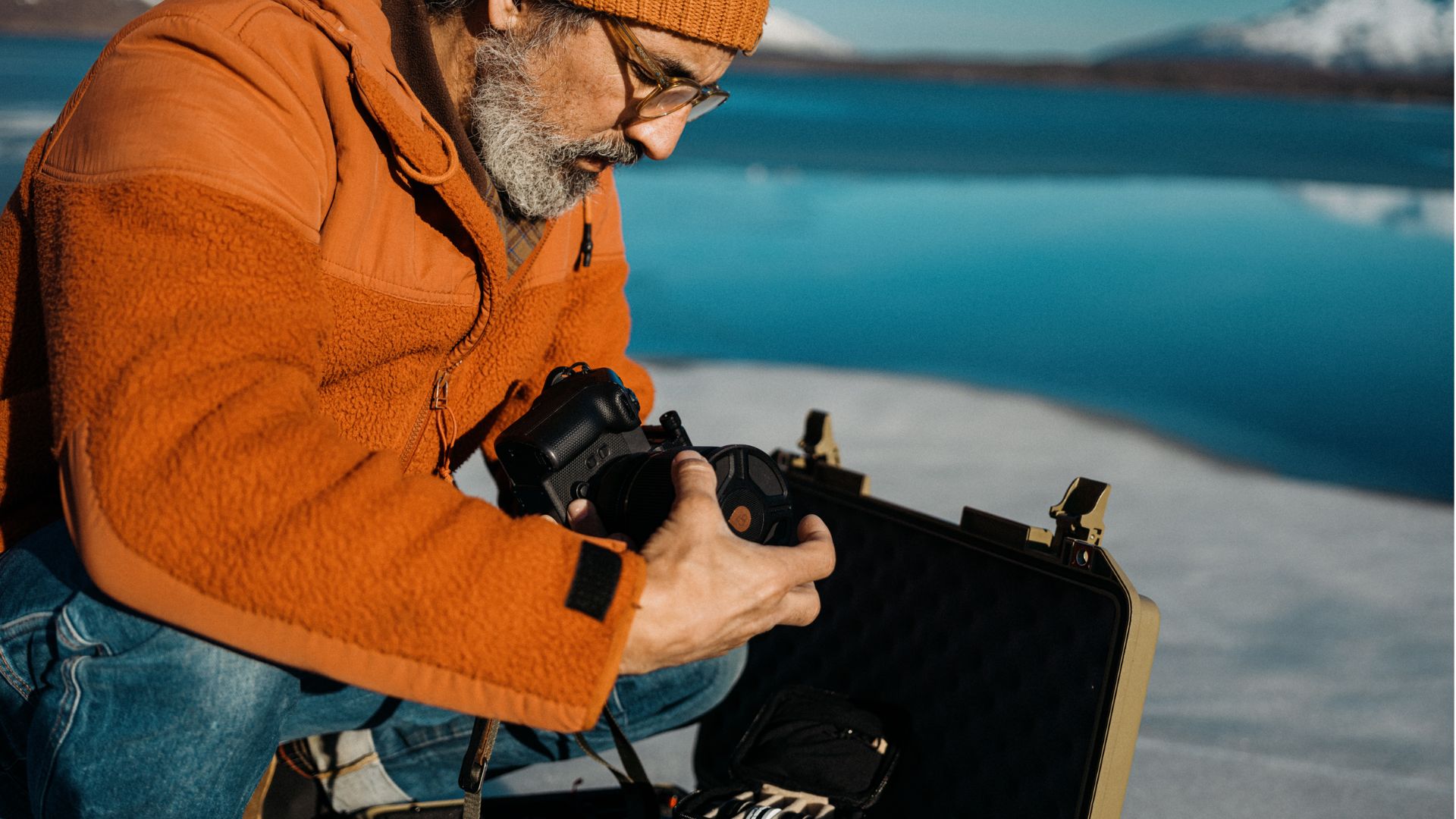
Importance of Fully Loaded Case Weight
When your gear is carefully packed and ready to travel, the true weight of your protective case can be much more than expected. Cases such as those from the Protector, Air, and Storm series are built tough, but their final packed weight depends on several factors. The contents, interior dividers, and accessories all contribute, and a few extra kilos could make the difference between carry-on and checked luggage.
Typical Weight Range with Photographic Equipment
Photographers often carry a camera body, two or three lenses, chargers, and accessories. Once packed, a mid-sized Protector 1510 case, which is carry-on approved, will often total 8–12 kg including gear and interior. The weight added by interiors is not insignificant. Pick N Pluck foam adds up to 1.5 kg, padded dividers hover around 1 kg, and the TrekPak system is the lightest, usually under 900 grams. For larger cases or extended kits, a fully loaded case can exceed 20 kg. This can potentially reach checked baggage limits for many airlines.
Comparing Air, Protector, and Storm Series Weights
Not all rugged cases are created equal when it comes to kilograms. Air cases are designed to be 40% lighter than their Protector counterparts, thanks to HPX2 resin. For example, packing standard camera gear into an Air 1535 instead of a Protector 1510 typically saves around 2 kg due to the shell’s reduced mass. Storm cases have robust build and MIL-STD-810F certification, but their weight savings are slightly less marked compared to the Air series. Travelling light is easier with Air cases, especially when cabin baggage restrictions are tight.
Weight Versus Carry-on Approval and Travel Restrictions
Airlines impose strict size and weight limits, especially for carry-on. Fully loaded Protector 1510 and Air 1535 cases are both sized to meet most major carriers’ requirements, but the Air’s lighter build can make the critical difference if your kit edges close to a 10 kg carry-on limit. Going over can force check-in, adding both cost and risk. Larger cases such as the Protector 1610 or Storm iM2720, once filled with gear, rarely qualify for overhead storage due to weight alone. For long-distance travel or flights with regional carriers, lighter cases might be the only option to avoid repacking on the tarmac.
Balancing Capacity and Manageable Weight
Photographers face tough choices when selecting the right model. Cases like the Protector 1510 and Air 1535 offer the best blend of protection, capacity, and weight for most travel needs. Each will hold a DSLR or mirrorless setup, multiple lenses, and accessories. Loaded weight typically stays within most carry-on thresholds. Storm iM2500 is also sized for overhead bins but is heavier than both Air and Protector equivalents. For those who need extra space, scaling up to larger models such as the Protector 1560 means extra protection but almost always requires checked-in travel.
Interiors: How Foam and Dividers Affect Weight
The choice of interior configuration shapes both organisation and total weight. Pick N Pluck foam is the heaviest option but gives the most precise fit, ideal for tightly securing lenses and cameras. Padded dividers cut weight slightly and offer the flexibility to rearrange layouts for different assignments. TrekPak dividers are the lightest, yet highly modular, helping keep the case’s total mass down without sacrificing protection. No single solution fits all. Photographers seeking to trim every kilo should favour TrekPak or padded dividers.
Optimising for Manageable Loads
Minimising the overall weight starts with smart packing. Limit unnecessary accessories, select lighter lenses when possible, and consider lightweight case options. Customising interiors also contributes, as swapping out heavy foam for dividers creates not just leaner luggage but also greater flexibility. Use only as much interior padding as your kit truly requires. When planning for fast-paced shoots or tight airport security checks, a case with efficient layout and lighter build allows for cases for fast gear retrieval while avoiding excess bulk.
Choosing the Best Case for Your Workflow
Every assignment brings a different set of gear and travel requirements. Consider your most common kit and work backwards: how much protection is needed, how often will it be carried aboard, and what interiors will keep things secure but light? If reliability is essential for your gear, it pays to compare case options thoughtfully. Guidance on choosing reliable gear cases can help avoid surprises during travel and on location.
Protective cases have come a long way from being just simple shells. The balance between strength and manageable loaded weight is now central to product design. To explore more about case solutions, configurations, and travel tips, visit peli.com.