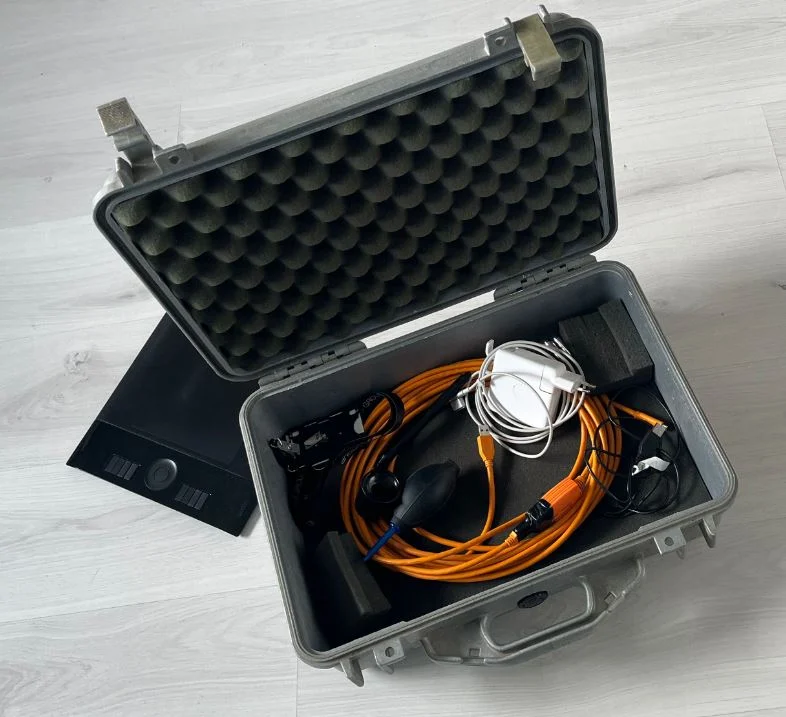

No videographer looks back fondly on the moment they realise a needed lens, mic or cable has been left behind. It is rarely a matter of forgetfulness, but more often the result of chaos in the kit. These missed opportunities can affect both a day’s shoot and future work.
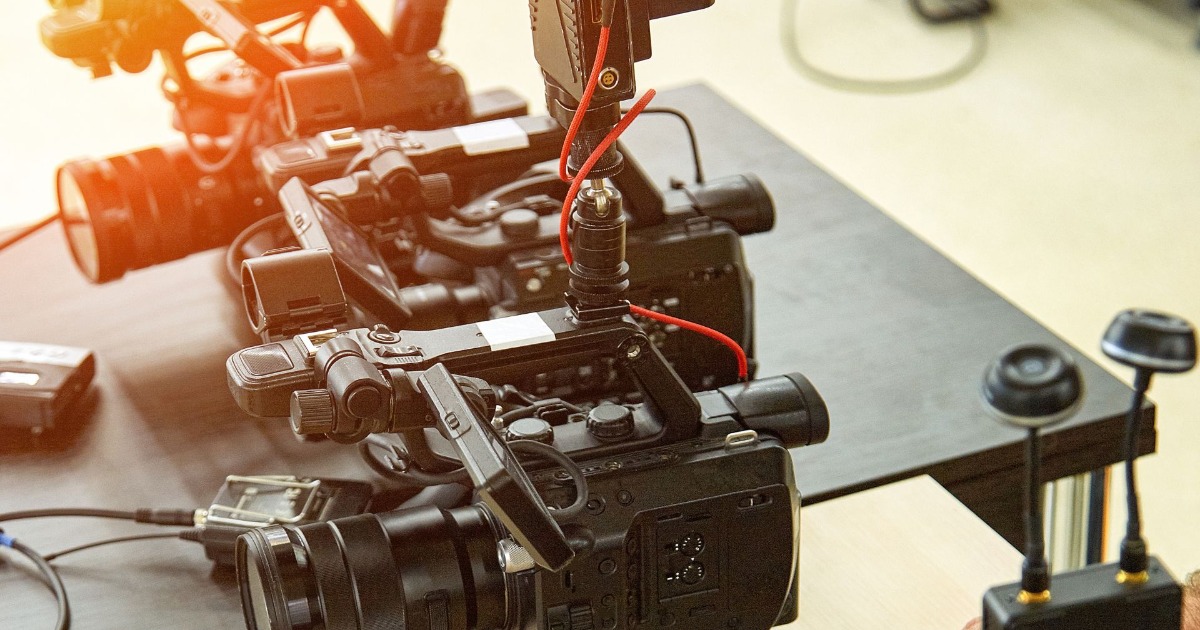
Challenges of Unorganised Storage
Video setups typically involve more than a camera and tripod. There are batteries, slow chargers, memory cards and lens filters to keep track of. When these are loose or packed in a jumble, time is wasted looking for equipment and some items may be left behind.
Modular interior systems such as padded dividers or foam inserts help address this. They allow each device, lens or gadget to have a dedicated section, reducing the risk of overlooking key bits of the kit. Visual gaps in the foam or dividers make it instantly clear if anything is missing before you leave.
Choosing the Right Case for Specialist Gear
Some cases force awkward fits or require leaving bulkier gear out. This leads to last-minute omissions. Video professionals often have unique setups with irregularly shaped items, from deep-bodied camera bodies to long-throw microphones.
Choosing cases that accommodate both size and depth is essential. A range like the Air cases is up to 40 percent lighter and available in a variety of dimensions. The added room and reduced weight mean you can transport full-sized rigs without picking favourites on what comes along. Purpose-designed custom compartments for gear keep every essential piece in its proper place.
Quick Access for Last-Minute Needs
On a shoot, grabbing kit at speed can mean the difference between capturing a fleeting shot and missing it. Cases that stack gear in layers or require everything to be removed to get to the bottom cause confusion.
Lid organisers and MOLLE panels provide immediate visibility and access to essentials. Each pocket or loop keeps critical cables, SD cards and batteries within easy reach. When the interior of your case makes sense at a glance, it reduces errors caused by haste or distraction. Fewer items get left behind when no gear is buried under a tangle of leads.
Carry-On Approved Cases for All Gear, Every Trip
Air travel brings another layer of risk to professional videographers. Checking cases can lead to damage or loss. Splitting kit across several bags leaves some items vulnerable.
The popularity of carry-on approved cases like the 1510 or the Air 1535 lies in their size, which complies with most airline cabin requirements. They are proportioned to carry full rigs, spare lenses, audio recorders and even gimbals in one go. This minimises the gamble of separating key equipment. Fewer bags mean a lower chance of lost or forgotten pieces, especially during tight or complex travel schedules.
Maintaining Complex Setups On Location
Videography rarely involves a single camera and a handful of props. The demands of modern shoots see professionals combining DSLRs with drones, multi-channel audio interfaces and wireless transmitters.
The inclusion of padded dividers or pull-out drawers supports organisational clarity for such complex setups. Each main component and every small item, from microphones to wireless adapters, has a home. With this level of order, it is almost impossible to overlook gear during packing or repacking between takes. Cases designed for fast retrieval keep momentum up, so there is no missed footage while rooting for misplaced kit.
The Risk of Weather and Travel
Not all missed shots are due to human error. Humidity and sudden temperature swings can affect sensitive electronics, particularly when transported through different environments. A slip in organisation during a hasty pack-up often means that protective caps, desiccant packs or climate controls get forgotten.
Choosing solutions specifically suited to protecting video gear can help maintain functional equipment, even after long hauls or rough outdoor shoots. Weatherproof cases with dedicated spots for fragile gear keep items both safe and accounted for, preventing loss through damage.
Lighter Choices and Field Adaptability
Heavy or bulky cases are sometimes left behind themselves, especially if travel is by foot or involves public transport. When cases are impractical, videographers may decide to leave less vital items. They often find those items were needed later.
Exploring lightweight options for mobility can directly address this. Modern cases, especially in lighter materials, encourage you to bring everything required rather than picking and choosing. Better designs can be easily carried and stored during shoots, lowering the temptation to compromise on essentials.
Hidden Costs of Disorganisation
Missed opportunities on set rarely announce themselves at the time. The cost appears afterward, when a perfect shot was lost for want of one cable or an expensive re-shoot becomes necessary. Over time, these costs add up, affecting both creativity and client relationships.
Consistent organisation, using the right case features and interior layouts, is the simplest way to avoid the creeping impact of missed gear. Every hour saved on set translates directly into value for both freelancers and production teams.
Bringing together all these elements, from modular interiors to proper case sizing and accessibility tools, ensures that videographers spend more time filming and less time worrying about what might have been left at home. For more advice on how to avoid lost gear and missed opportunities, visit peli.com.