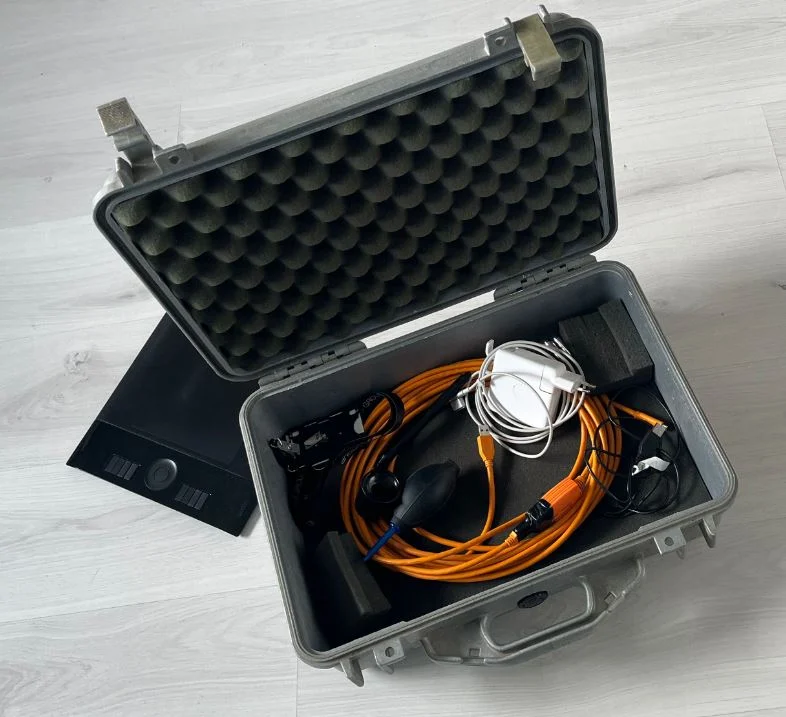

When a crisis erupts, every second matters. Medical Aid Teams can’t afford delays, not in deployment, not in decisions, and certainly not in equipment readiness. Yet, one common pain point stands in the way: the time-consuming process of customising protective transport cases for medical gear.
Whether it’s a global health emergency or a regional natural disaster, speed is critical. But so is precision. Custom cases often take weeks — sometimes longer — to design, test, and deliver. So how do you protect vital, delicate equipment when the clock is ticking?
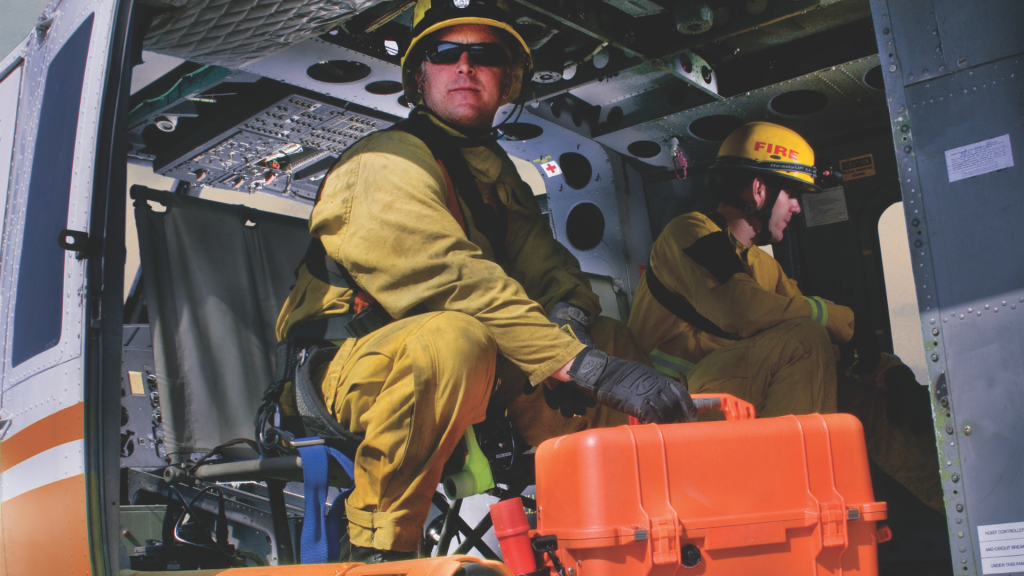
Why is it difficult to get customised protective cases quickly for emergency medical missions?
Custom solutions typically involve detailed consultation, technical drawings, foam engineering, prototype testing, and final production. This level of precision ensures optimal fit and protection, but it’s not ideal when lives depend on fast mobilisation.
Especially for NGOs and humanitarian organisations responding to fast-evolving crises, the luxury of time simply doesn’t exist. The need is urgent, the terrain is challenging, and the gear is often diverse.
Are there any rapid customisation solutions that don’t compromise on protection or fit?
Absolutely. Some case manufacturers now offer semi-custom or modular systems. These solutions combine standardised case shells with adaptable interiors, such as Pick N Pluck™ foam, padded dividers, and adjustable trays. They provide enough flexibility to safely house a wide range of medical equipment — from diagnostic tools to medication kits — without the long wait times of full bespoke engineering.
Lightweight container series and configurable single lid cases, available in hundreds of sizes, allow rapid deployment with field-level adaptability. Teams can configure them on-site, drastically reducing lead times without compromising protection.
What are the risks of using standard cases when immediate custom solutions aren’t available?
While off-the-shelf cases can offer immediate access, they often fall short in two key areas: internal stability and mission-specific fit. Loose packing or over-padding can lead to equipment shifting during transport, a serious concern when handling sensitive diagnostic tools, sterilised instruments, or pharmaceutical products.
Inadequate fit also increases the risk of thermal fluctuation, mechanical shock, and even contamination, all potentially fatal in the context of emergency response.
Can we adapt off-the-shelf cases effectively in the field?
Yes, and many Medical Aid Teams already do. Field operatives often use hybrid solutions combining protective shell strength with adaptable interiors like TrekPak™ systems or foam cut-outs. With a bit of foresight and basic tools, teams can convert a standard case into a mission-ready container within hours.
Additionally, mobile supply trunks and EMS-specific cases are designed with flexibility in mind, featuring features like pull-out trays, card holders, and pressure valves. This adaptability makes them ideal for teams needing both speed and structure.
What options exist for balancing urgency with the need for specialised protection?
The answer lies in a blended approach: maintain a stock of ready-to-ship containers in key sizes, fitted with customisable interiors. These allow field operatives to modify configurations on demand. In parallel, collaborate with case providers who offer rapid prototyping and deployable “modular kits” designed for the medical sector.
While full customisation has its place — especially for high-value or unusually shaped gear — there is a growing ecosystem of products that provide near-immediate readiness. It’s all about planning, procurement foresight, and choosing the right partners.
In urgent medical deployments, there’s no time for slow processes. But that doesn’t mean you must sacrifice protection for speed. Compact, modular transport solutions offer a middle ground, combining rugged reliability with field-ready flexibility.
For teams that operate on the frontlines of disaster, conflict, and care, the right case could make all the difference.
Learn more about adaptable protection at www.peli.com.