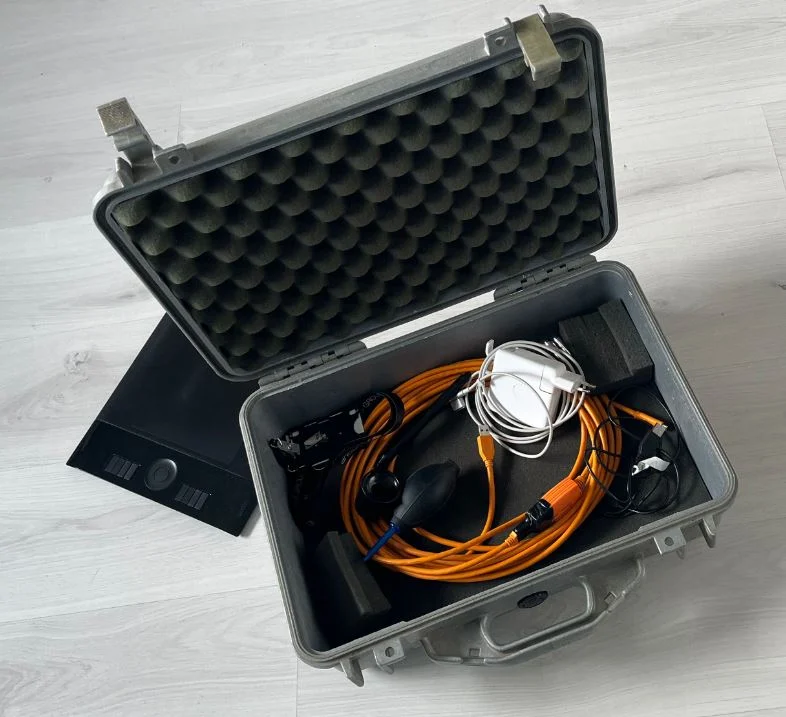

Moving fast and light is more than a preference for tactical professionals, it is a necessity. The right case must provide unwavering protection without slowing down response times in the field. Modern ultra-light cases now offer a balance between minimal weight and the level of security demanded by high-stakes missions.
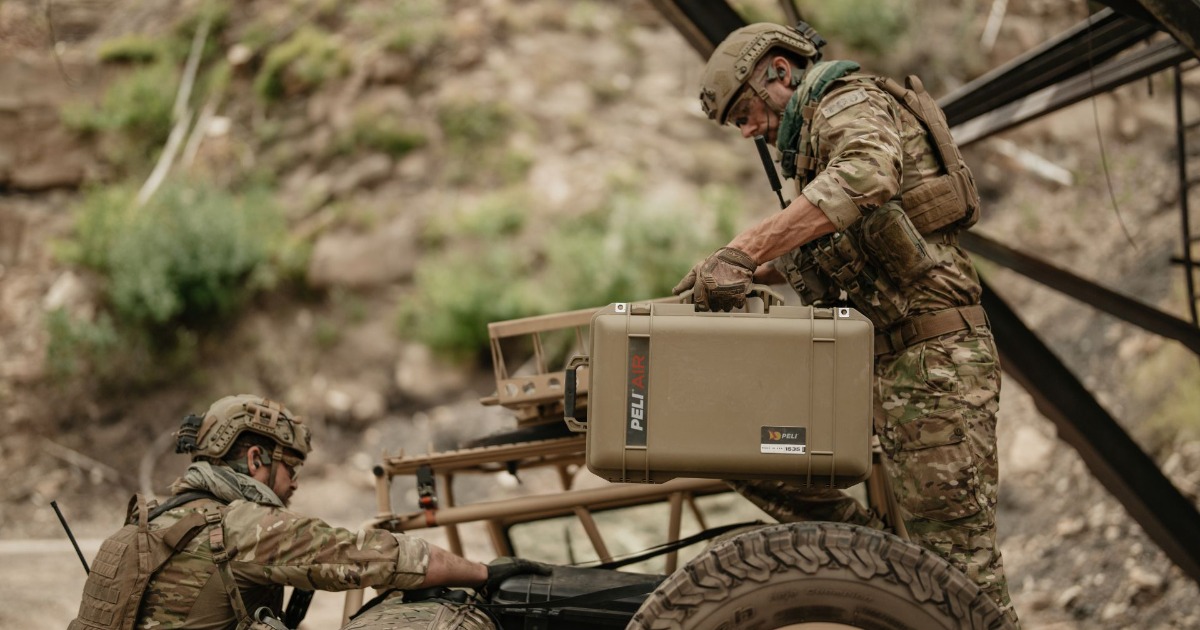
Lightweight Materials Meeting Tactical Requirements
Carrying rugged gear day in and day out takes its toll, especially during extended operations. The objective is clear, safeguard sensitive equipment from impact, dust, and liquids. Every gram saved adds to operational efficiency. Tactical specialists now seek cases that deliver impact resistance and waterproofing, without the penalty of added bulk.
Ultra-light protective products have emerged as the answer. They preserve mission-critical access to kit, while minimising fatigue on personnel. Many are surprised at just how much difference newer materials make during insertion, extraction, or even routine transport.
Lightweight Series Designed for High-Performance Protection
The search for lighter kits often begins with consideration of established models. Air cases are notable for being up to 40% lighter than previous generations, yet they maintain durability through HPX2 resin construction. This advanced material offers a unique blend of strength and flexibility, allowing the walls to absorb impacts and resist cracks, even under rugged conditions.
Several Storm cases also excel in this regard. Designed for military and tactical deployments, Storm models meet MIL-STD-810F standards for resistance to vibrations, drops, and adverse environments. It is worth highlighting the iM2050 through to iM3410, with models like the iM2500 meeting carry-on requirements and ensuring field teams have secure, yet manoeuvrable storage.
Protection Without Added Weight
A common question is how ultra-lightweight options avoid compromising protection. This balancing act is achieved by intelligently engineered resins and shell designs. Unlike purely plastic boxes or thinner alternatives used for consumer gear, Air cases employ the HPX2 resin to create lighter shells that still defend against heavy shocks.
Storm cases integrate Vortex pressure relief valves, which adapt to sudden altitude or temperature shifts. The result is a case that remains weathertight and easy to open in rapidly changing scenarios. Tactical teams value these features when dropping from aircraft or moving through variable terrain.
For direct detail on this balance, tactical professionals may explore ultimate protection and mobility options designed with these priorities in mind.
Fast Deployment and Responsive Handling
The best ultra-light options accelerate the deployment process. When the situation demands, cases must open and close quickly, with latches that are glove-friendly and hardware that resists jamming under dust, mud, or rain. Air and Storm series cases have been field tested for these very requirements.
Models such as the Air 1535 and iM2500 provide a blend of speedy access, durability, and airport carry-on compliance. These features matter when gear needs to be hand-carried into helicopters, all-terrain vehicles, or unfamiliar ground environments at a moment’s notice.
Modular Interiors for Organised Tactical Kits
Specialist equipment calls for internal organisation just as robust as the exterior shell. Both the ultra-light models in the Air and Storm lines offer extensive customisation. Interiors can be fitted with Pick N Pluck foam, or configured with TrekPak divider systems for modular layouts. Padded dividers can cushion radios, optics, and tools, while lid organisers sort smaller essentials for instant retrieval.
This variety allows each case to be mission-specific, converting swiftly between roles as required. Those tasked with complex signal or medical loads will appreciate the adaptability, ensuring that items remain protected and accessible regardless of the operation tempo.
Carry-On Friendly Ultra-Light Cases
Operational mobility begins before landing. Tactical teams requiring hand-carry solutions have viable options in the Air 1535 and Storm iM2500. Both are sized for most airline overhead restrictions, reducing the risk of critical gear being separated during transit. With lighter cases, personnel can transport essential payloads without breaching ergonomic or airline weight limits.
The minimal weight also means that when cases are removed from vehicles or rucksacks and carried on foot, the user expends less energy, preserving stamina for the mission itself.
Those evaluating options among the lightest carry-ready models may review the lightweight ultra-light cases blog, which details case selection for demanding environments.
Balancing Price, Weight, and Protection
Affordability can also play a part in equipment procurement, especially on larger deployments. For value-driven scenarios, Vault cases are a practical choice, delivering a lighter profile and reliable strength for less sensitive loads. They offer durability and basic weather protection, although those requiring full military-grade defences may lean toward Protector cases or the Storm and Air range for maximum assurance.
Lightweight Solutions for Serious Operations
Ultra-lightweight cases are becoming standard issue for tactical professionals prioritising agility and rapid response. Advances in materials such as HPX2 resin allow Air and Storm series products to meet or exceed military benchmarks, while staying within airline carry-on guidelines. Modular interiors ensure preparedness, and rapid latching supports swift action wherever required.
For further insight into specialised protective solutions ready for field deployment, learn more about military and tactical case options.