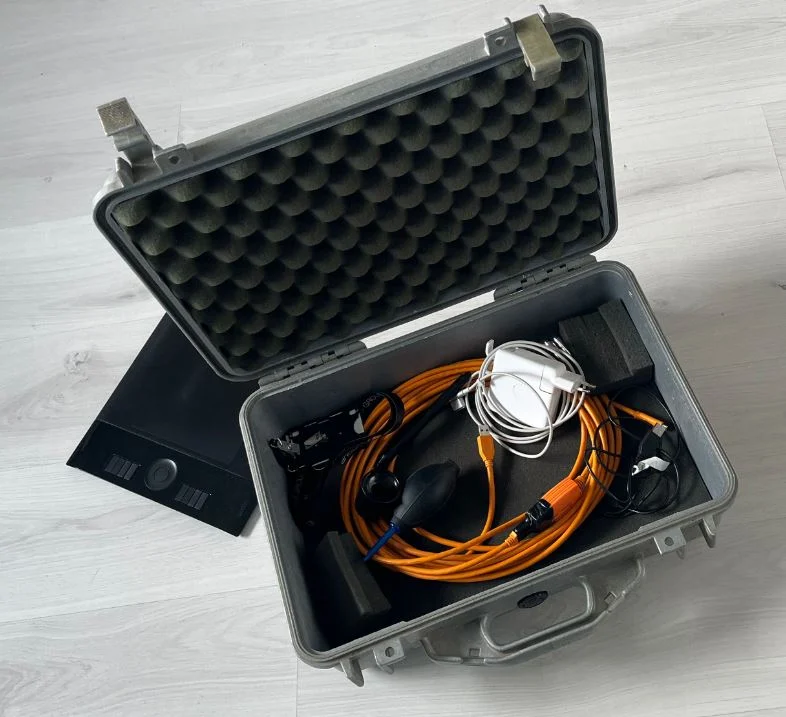

Rainfall, muddy fields, and the unpredictable splash are facts of life on location. For videographers, carrying expensive gear through these sometimes damp environments demands more from a case than a simple promise. It is vital to know the real-world boundaries of water resistance, especially as shoots become increasingly mobile and diverse.
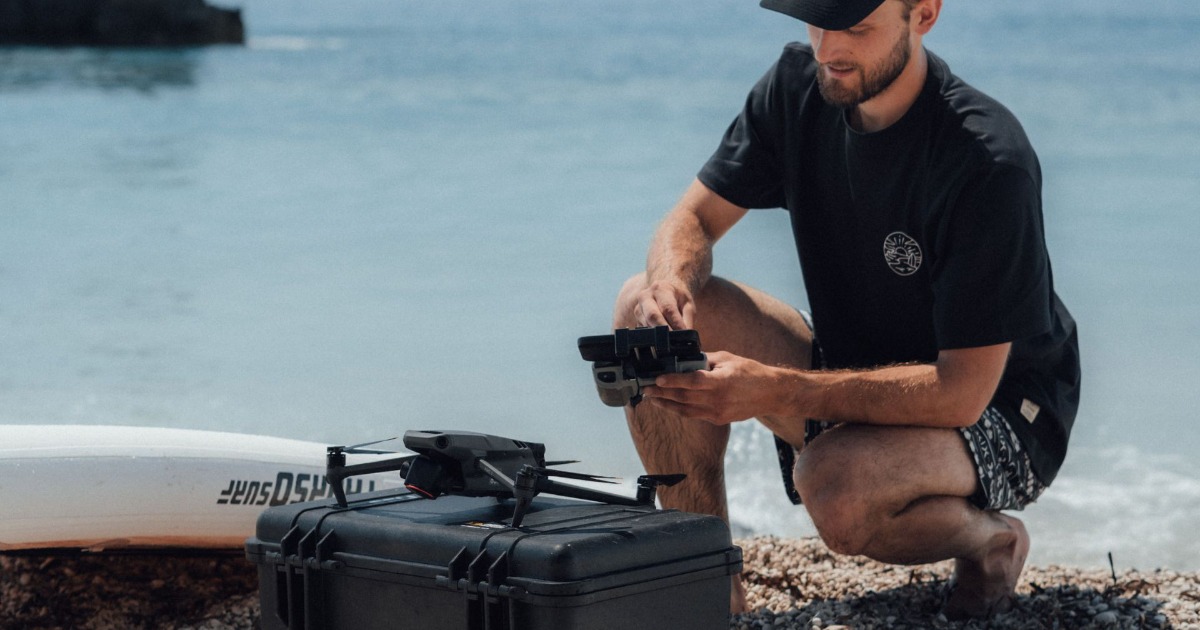
What Water Resistance Really Means for Videographers
A water-resistant case is designed to keep most moisture at bay. Typically, cases with an IP67 rating provide dust protection and will keep water out during brief immersion, such as being dropped in a puddle, up to 1 metre for 30 minutes. That level of protection covers typical splashes on set, accidental spillage, and heavy rain.
If you’re curious about the technicalities, see water and dust resistance explained. For most location shoots, this means your gear is safe from rain, mud spray, and wet grass. However, extended submersion or improper closure may still pose a risk. Vigilance with seals and latches is essential.
Importance of Seals and Latches
Case integrity depends on quality seals and reliable latch mechanisms. Regularly used in ever-changing environments, cases can take knocks and experience wear on their rubber gaskets or their locking systems. If the seal is compromised by dirt or ageing, water protection quickly diminishes.
Latches hold the case closed and compress the gasket evenly. A secure latch means confidence, even when things get hasty between location changes. For peace of mind, check both the gasket and locking points before every shoot. Avoid forcing the latches if debris is present.
The IP67 Rating in Everyday Use
Most professional-grade cases designed for photo and video use, such as those from the Protector series, meet rigorous IP67 standards. This guards against both water and fine dust, two frequent threats beside rivers, in forest clearings, or even urban setups where puddles and grit are everywhere.
In practice, this means a sudden shower, a coffee mishap, or a misstep by a crewmember with muddy boots won’t spell disaster. As explained further in preventing gear damage on set, equipment is most vulnerable during load-in and load-out, just as cases may be exposed. Though a flood or long exposure to running water is outside their remit, these cases will handle everything else.
Balancing Weight, Portability, and Water Resistance
For many videographers, weight and portability are key. Fully waterproof cases can be heavy, especially those built for deep diving or extreme marine use. If your work keeps you largely on dry land but in wet weather, an IP67-rated case will offer the best balance.
Consider Air cases if frequent travel is part of your workflow. These cases weigh up to 40% less than traditional designs, with models like the 1535 featuring wheels for airports and train stations. Choosing lighter models means easier carry-on, yet you won’t sacrifice the water resistance vital for quick changes of scene or cross-country hikes.
Modularity Enhances Protection
Inside a water-resistant case, proper customisation makes a world of difference, particularly for complex video setups. Using foam inserts, padded dividers, or TrekPak dividers creates compartments tailored to your gear. These options prevent bumping, shifting, and moisture wicking.
Such modular interiors simplify fast reconfiguration when switching between a drone kit and a camera plus audio rig. They also help cushion shock if you drop the case in the rain or need to open it in less-than-ideal conditions. Learn more about these solutions at modular case systems for creatives.
Realistic Expectations for Rain and Splashes
Will your water-resistant case survive a heavy downpour or an accidental dousing from a tipped-over drink? The answer is yes, provided it is closed properly and the seals are in good condition. Cases such as the Storm cases series handle quick weather changes very well, meeting military standards for water intrusion.
Accidental splashes and showers are dispatched with ease, but caution is necessary with pooling water or high-pressure hoses. These are beyond the intent of water resistance and would require a marine-grade waterproof specification.
Practical Tips for Choosing Cases
- Look for proper certifications (like IP67) when evaluating case protection.
- Prioritise trusted seals and sturdy latches, especially if your case is used outdoors weekly.
- Balance the case’s weight with your travel needs, checking major dimensions and whether models like the 1510 or Storm iM2500 are approved for overhead compartments.
- Use modular interiors to fit odd-shaped microphones, monitors, and lenses. It adds both organisation and shock absorption.
When Water Resistance Meets Your Needs
For many field productions, full submersion is rare. Most creative professionals benefit most from cases that keep water and dust out during transit, sudden weather, or minor accidents on location. Choose reputable brands and inspect your case regularly, especially if you notice resistance in the latch or a worn rubber gasket.
If you need a place to start exploring appropriate options, visit peli.com and browse the range of cases engineered for creative professionals on the move.