
On the water, safety is paramount, and so is compliance. It’s not just about protecting your gear; it’s about meeting the legal and safety standards that govern maritime life. For watersports enthusiasts, the right protective case isn’t just rugged, it’s regulation-ready.
Here’s how to make sure your gear storage ticks every box when inspected, or in an emergency.
What maritime regulations apply to protective cases?
While there’s no single global rule for protective cases, boating regulations often refer to broader safety standards for:
- Flotation equipment storage
- Emergency equipment accessibility
- Material flammability and corrosion resistance
- Labelling and colour visibility
- Stacking or fastening for storm conditions
Coast guards and port authorities may inspect storage solutions as part of broader safety compliance, particularly for commercial or charter vessels.
Are there recognised standards for case construction?
Yes! Many marine-approved cases are tested against standards such as:
- IP67 or IP68 (Ingress Protection for water and dust)
- MIL-STD-810 (U.S. military standard for drop, impact, and environment)
- ATA Spec 300 (for transport and shipping ruggedness)
- IMDG Code (for safe transport of hazardous goods by sea)
Using cases that meet these standards ensures higher levels of protection, and fewer headaches with authorities.
Can non-compliant cases cause problems?
Yes. Common issues include:
- Failing inspections during commercial vessel checks
- Delays in customs or international marina checks
- Equipment disqualification for regulated storage (e.g. flares, medical kits)
- Inaccessibility fines if emergency gear is stored in hard-to-open cases
Even private boaters can encounter trouble if non-compliant gear is discovered after an incident or rescue call.
How do you ensure your case is compliant?
Look for:
- Clear certification or testing specs from the manufacturer
- Visible, colour-coded markings if storing emergency kit
- Latches that are both secure and fast to open
- Corrosion-proof materials and marine-grade seals
For added peace of mind, choose cases already used by marine services or search and rescue crews, they’re typically built to strict standards.
What makes a case regulation-ready?
The best marine-ready cases feature:
- Waterproof sealing and buoyancy options
- Durable polymer exteriors with UV and salt resistance
- Built-in tie-downs or stacking for secure stowage
- Lockable or tamper-evident closures
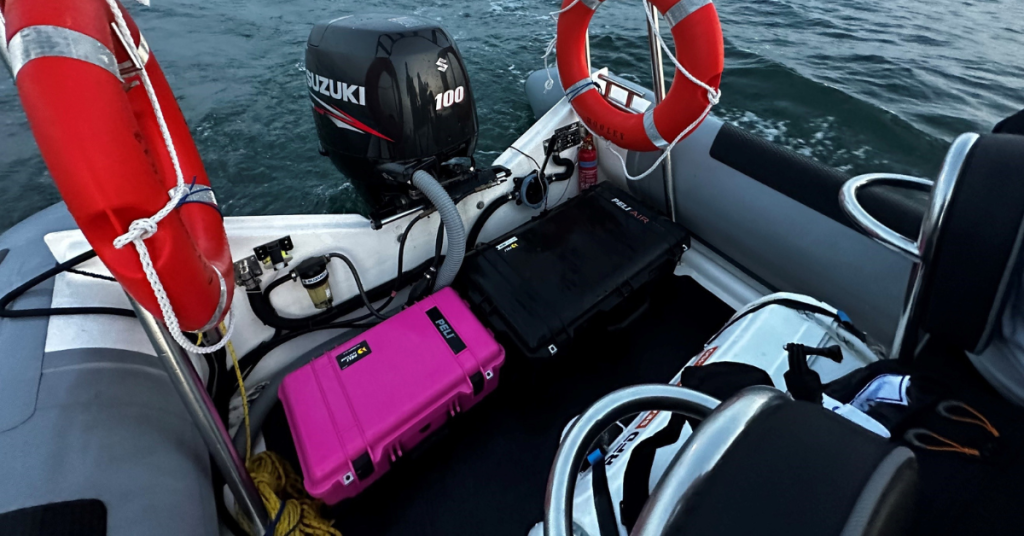
- Bright colours or custom labels for fast ID
For boaters who want protection that meets the mark, explore regulation-aware case solutions at www.peli.com. Because gear you can rely on should also stand up to scrutiny and the sea.