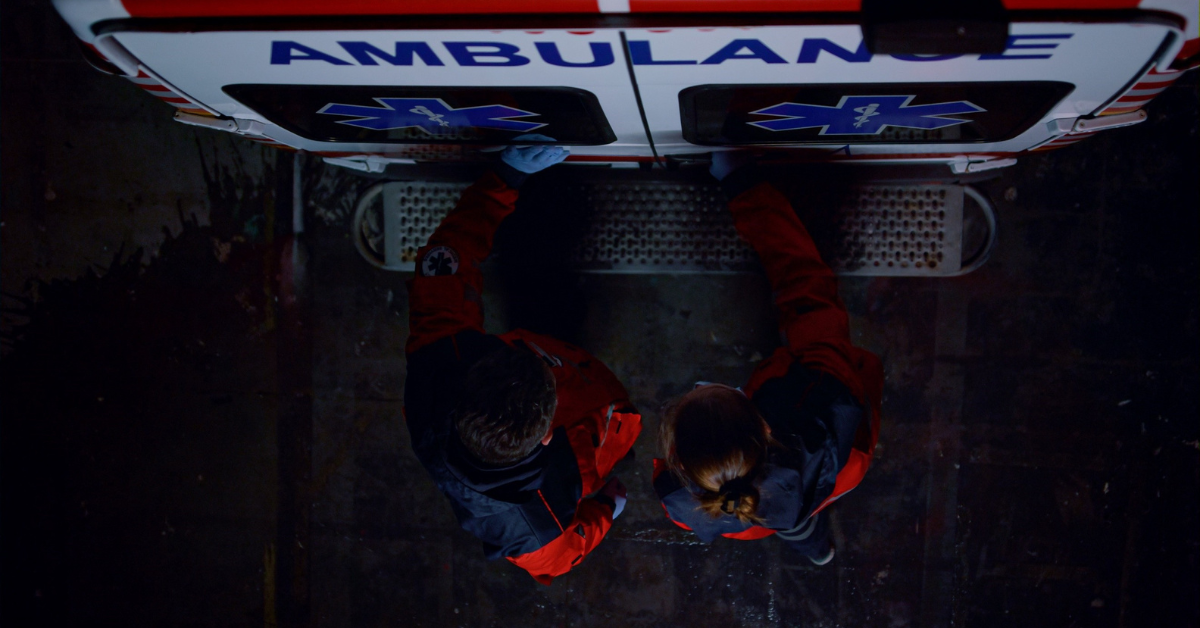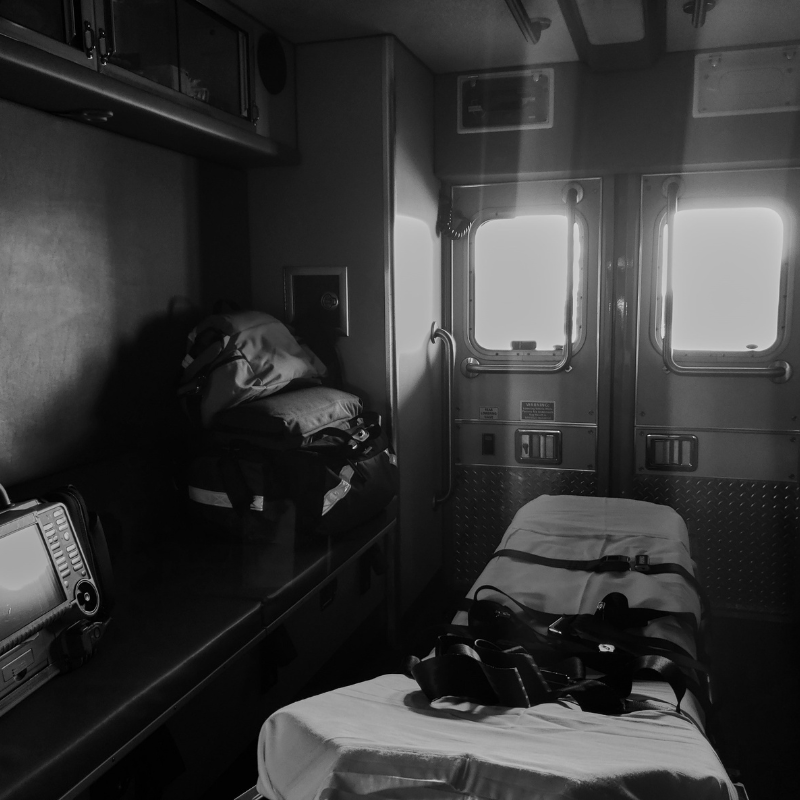

Every mission is different. One day you’re setting up a field hospital. Next, you’re managing a comms hub or delivering supplies to a flood zone. Emergency responders must pivot quickly—and so must their gear. That’s where modular case systems come in.
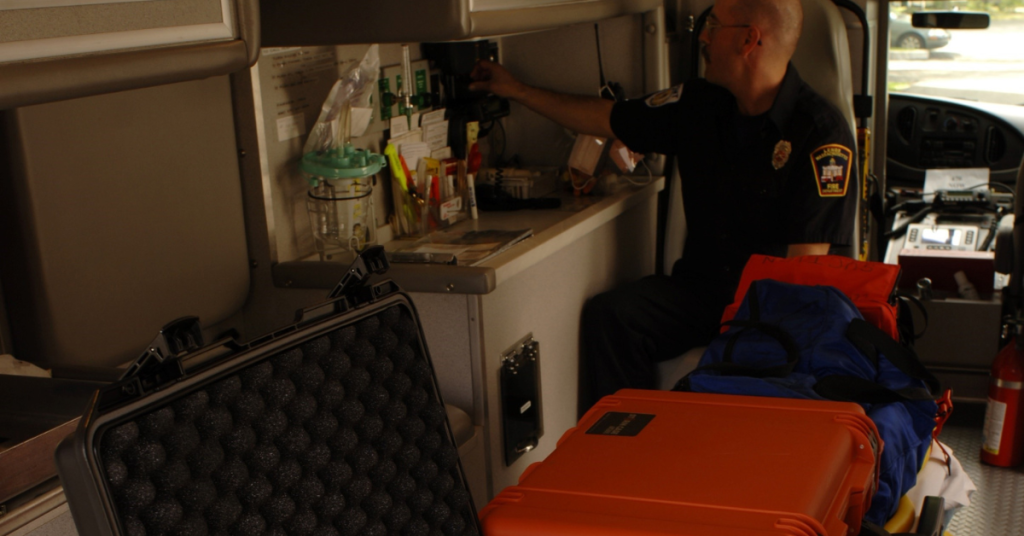
What Makes a Case Modular?
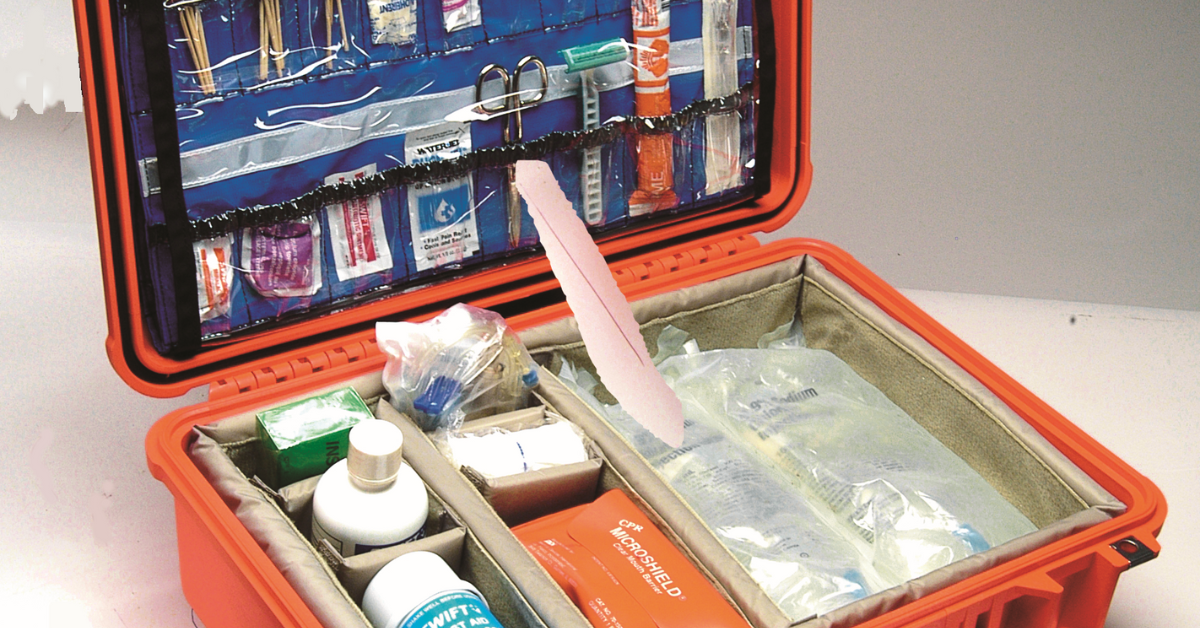
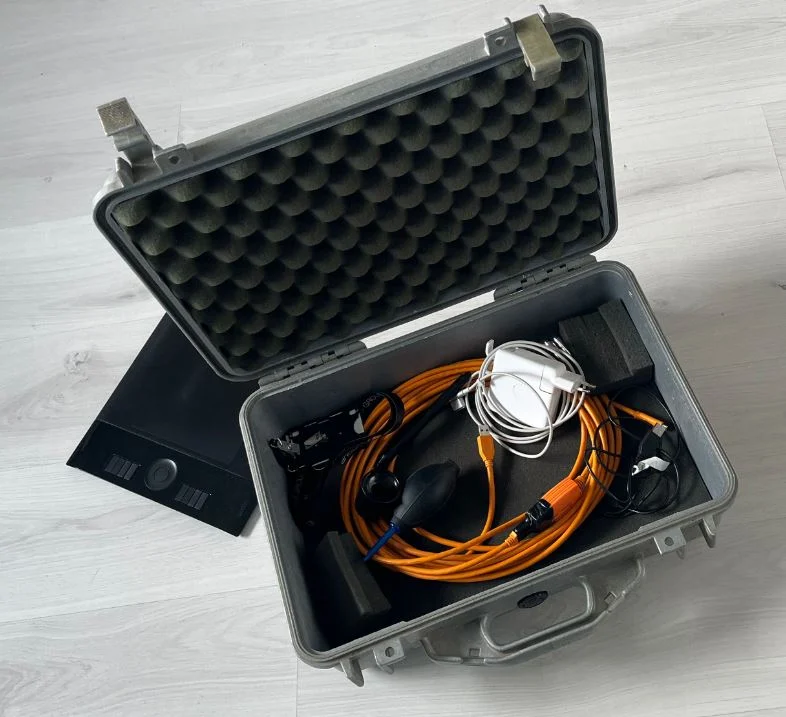
Modular systems use reconfigurable interiors—trays, dividers, foam blocks, panels, and inserts—that allow you to customize your loadout per operation. These layouts can be adjusted within minutes to suit:
- Trauma response
- Technical rescue
- Communications setup
- Command & control equipment
- Supply distribution
It’s like carrying a different kit in the same shell—ready for whatever’s next.
Real-World Benefits in the Field
Modular cases don’t just look organised—they perform. Their key advantages include:
- Rapid gear changes between missions
- Reduced case count for deployments
- Faster access to tools during active response
- Less duplication of equipment across kits
With limited space in vehicles, aircraft, or shelters, versatility is a force multiplier.
Configurable to Fit Any Workflow
Cases can be structured by:
- Task priority (e.g. life-saving gear first)
- Team member role (e.g. medic vs. logistics)
- Frequency of use (e.g. top layer = most used items)
This operational clarity leads to better team coordination and less downtime.
Designed for Harsh Realities
Modular systems used in emergency response are not just flexible—they’re rugged. Built into shockproof, waterproof shells, their components hold up in transit, drops, and exposure to dirt, water, or debris. They’re built to handle unpredictability—just like you are.
One Case. Many Missions.
With the right modular system, you’re not locked into a static setup. You’re empowered to adapt, reconfigure, and respond—no matter how your role or mission changes.
Adapt faster. Deploy smarter. Explore modular solutions at PELI .