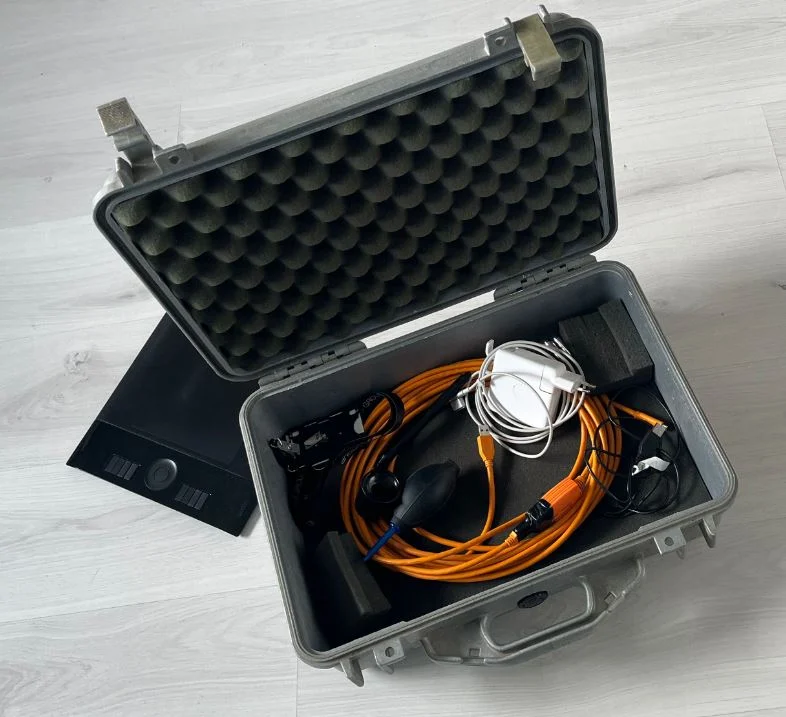

A rogue wave, a sudden downpour, or an accidental drop overboard can leave expensive gear at risk. For boating enthusiasts, relying on cases that are only water-resistant, but not truly waterproof or floatable, could mean disaster.
What True Waterproofing Means on the Water
Not all claims of water protection stand up to scrutiny. A quick spray test is not enough to guarantee that kit will stay dry during a capsized canoe or an unexpected swim. The most reliable cases are rated to IP67 or above, meaning they can be submerged without surrendering their contents to water.
Look for a clear statement of submersion depth and duration. Verification involves checking not just the label but the independent testing behind it. The difference between splash-proof and full waterproofing is critical when miles from shore.
Why Floating Matters for Protective Cases
Many assume that hard cases will float if dropped, especially if the contents are light. In reality, many protective cases submerge quickly, particularly if fully loaded with equipment for an extended trip. If a case sinks, recovery becomes nearly impossible in deep or fast-moving water.
Some case interiors make it easier to achieve buoyancy. Using foam inserts or padded dividers can help trap air, but this is not a guaranteed method. Cases specifically engineered to float offer better peace of mind for those frequently on the water.
Key Features for Boaters’ Cases
A case’s waterproof rating depends on more than just a rubber gasket. The overall construction, including latches and pressure valves, plays a major role. Self-equalising valves prevent pressure build-up and stop water from seeping in when experiencing high waves or changing altitudes.
Vortex valves, for instance, are designed for marine use, letting air out without letting water in. The reliability of these features is proven in MIL-STD-810F certified cases like those in the Storm cases line.
Managing Saltwater Exposure
Saltwater can be especially harsh on seals and hardware. Cases used at sea must withstand corrosion over time and hold their seal over many cycles. Quality waterproof cases use stainless steel or similarly reliable materials to endure contact with brine and spray.
Regular maintenance, such as rinsing seals and hinges after each outing, helps delay wear. Even the best cases will eventually suffer if neglected, so periodic inspection is essential, especially before and after long boating expeditions.
Lightweight, Waterproof Case Options
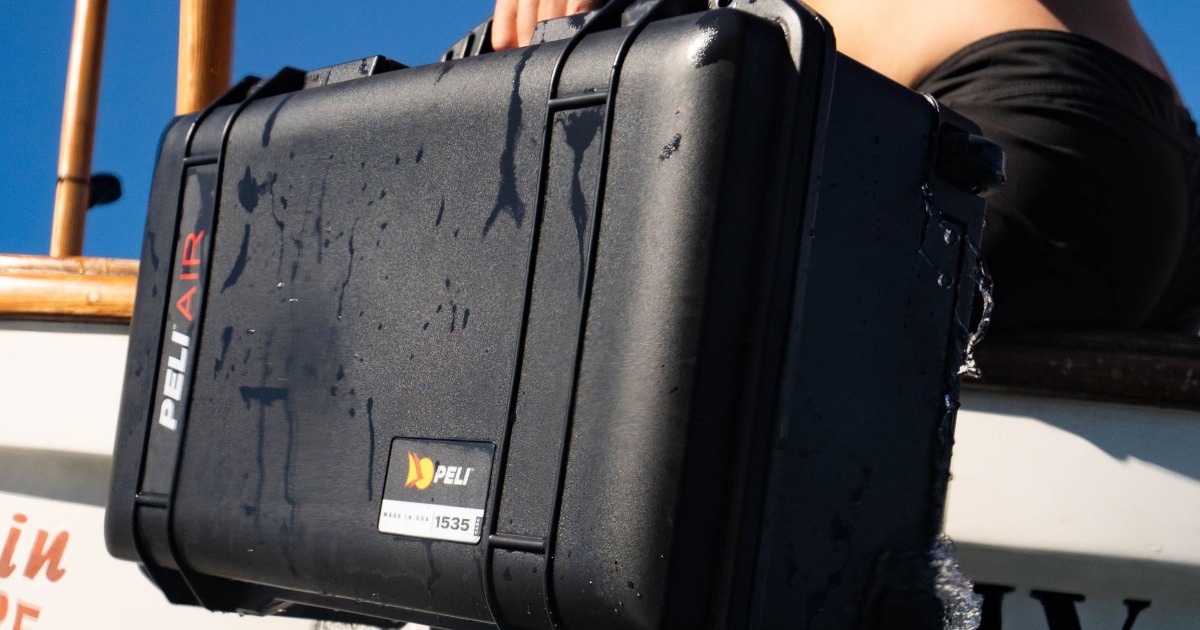
Boaters often worry that fully waterproof cases are too heavy or cumbersome. This is not always the case. The Air cases series, crafted from advanced HPX2 resin, are up to 40% lighter than classic options yet still IP67 rated for submersion.
For adventures where weight is as critical as waterproofing, choose an Air 1485 or Air 1535. These fit easily in most cockpits and pontoons, and offer a combination of lightweight design and reliable protection for maps, drones, or sensitive electronics.
How to Ensure a Reliable Waterproof Seal
Several features help ensure a watertight seal on the waves. Look for the following:
- Press-and-pull latches that will not spring open accidentally
- O-ring seals that create a continuous barrier against water
- Pressure equalisation valves to adapt to changes in altitude or temperature
- Reliable, tested hinges and stainless steel pins that withstand repeated exposure
Foam inserts and divider systems can make internal organisation simpler, but should not be relied on to contribute to waterproofing or floatation. Always test your case at home by submerging it empty before trusting it in the field. Boaters have reported cases failing in the field when minor flaws went unnoticed.
Recommended Models and Series for Boating
Each boating environment poses a different test for protective gear. Here is a brief overview:
- Protector cases are known for their classic design, full IP67 waterproofing, and a range of sizes from the compact 1010 micro case to the cavernous 1780.
- The Air 1535 offers wheeled mobility while weighing much less than traditional models, useful for those with tight weight restrictions.
- The iM2500 from the Storm series provides certified protection and carry-on capacity, useful for those flying to distant lakes or islands.
- For those on a budget, Vault cases offer solid resistance to spray and splashes but may be better suited for onshore or vehicle storage than exposed boat decks.
Each model offers something different, but all prioritise keeping water out of your kit. For more detail on the best choices for seagoing adventurers, see this feature on ultimate protection for boating.
Guarantee and Aftercare for Sea Use
The sea is an unforgiving environment where equipment is pushed to the limit. Selecting a case with a recognised lifetime guarantee reduces long-term worries about potential failures and damage. It pays to check how well this guarantee applies to cases used in saltwater environments and under rough handling.
Brands that stand behind their waterproof promise for the duration of your adventures show true confidence in their engineering. Read more about the lifetime guarantee for adventurers and what it means for those who rely on their kit far from land.
If you rely on your equipment for navigation, safety, or documentation, proper waterproofing is not optional. Learn more about waterproof cases for every boating scenario at Peli.