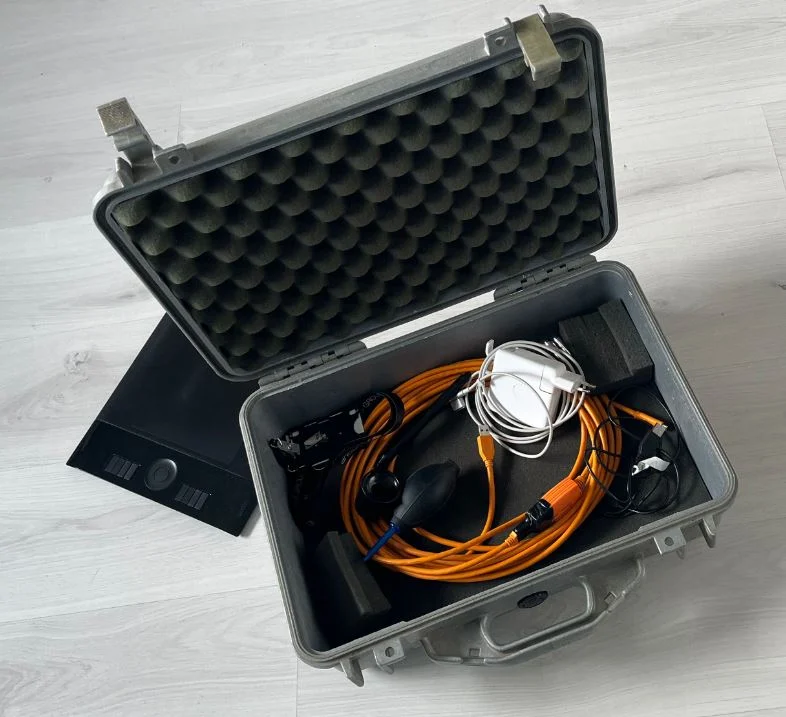

Extreme conditions pose unique risks. For tactical professionals, the threat of gear failure due to environmental exposure can mean mission failure. Choosing the right case becomes critical to safeguard essential equipment, keeping you operational whatever the environment.
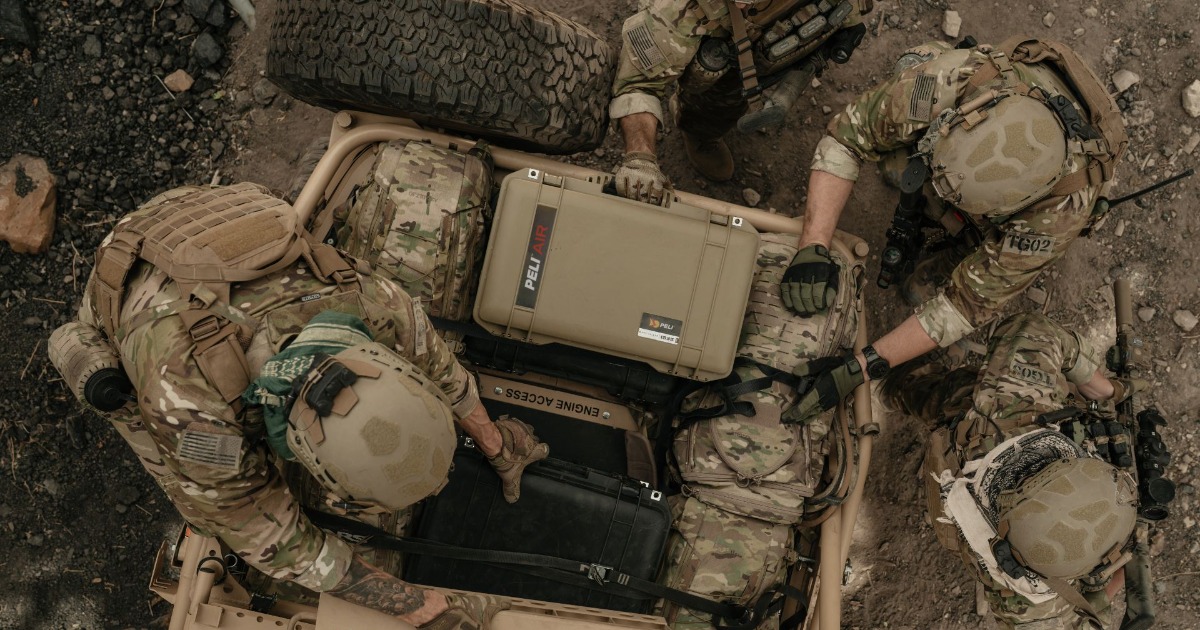
Evaluating Real Protection Against Water and Dust Ingress
Questions about case protection in torrential rain, sandy deserts, or flooded terrain are common. Water and dust resistance standards can vary across brands, but tactical teams require more than generic claims. PELI Storm cases are engineered with an IP67 rating, allowing for submersion without leaking, and their robust seals block dust from penetrating sensitive kit.
The MIL-STD-810F certification, found on Storm cases, is not just a label. It covers a battery of environmental stress tests. Combined with the patented Vortex valve system, Storm cases automatically equalise pressure during rapid altitude shifts, such as helicopter deployments or high-speed vehicle movements. This valve technology prevents vacuum effects and seal rupture, so case integrity is maintained even when moving between climate extremes.
Protecting Against Shocks and Blasts
A regular concern is whether equipment can survive blunt impacts, heavy shocks, or even minor explosive blasts during tactical ops. Protector cases are used widely in military units for a reason. Their proven design with thick, impact-resistant polymer and tightly interlocking hinges enables them to withstand direct impacts and sudden drops, from urban deployment zones to rugged field environments.
When heavy gear or ammunition is inside, the foam inserts and other interior systems absorb vibration and shock, drastically reducing the risk of internal breakage. For larger kit, padded dividers and reinforced inserts help prevent lateral movement if a case is shaken or jolted. Protector series models such as the 1510 also meet air travel carry-on specifications, so movement between theatre and transport is smooth.
Air Cases for Temperature Extremes in the Field
Operations often take place in wild temperature swings. Cases exposed in cold mountains, hot vehicles, or arid zones need to resist warping, splitting, or material fatigue. Air cases are built from HPX2 resin, a specialised composite that is lighter than traditional polymers but highly resilient to expansion and contraction.
Unlike thin-walled cases on the consumer market, Air models maintain their structure in both freezing and scorching conditions. The resin avoids cracking under stress or UV exposure, keeping your gear protected even during sudden environmental changes. Critically, impact resistance is not sacrificed for weight. Tactical communications, surveillance, or navigation electronics can be transported by foot or vehicle without fear of case failure.
Interior Options to Secure Tactical Loads
In field conditions, kit organisation and immobilisation make the difference between readiness and chaos. All case series offer a choice of customisable interiors, including foam inserts that can be shaped to fit unique load-outs, divider systems for modular storage, and padded dividers for rapid gear access.
Lid organisers help keep mission-critical items like comms, maps, or diagnostic tools immediately accessible. MOLLE panels are available on select sizes, allowing for mounting of smaller pouches or accessories directly inside the lid. These options prevent sensitive equipment from shifting during transport across rough ground or airborne descents, reducing the chance of in-case damage.
Addressing Real-World Vulnerabilities
Case failure in high-stakes environments is more than inconvenience. It endangers people and assets. Reports of protective cases failing in the field are a reminder to look beyond simple IP ratings or water tests and consider holistic environmental protection. Whether facing rapid depressurisation, flash floods, or high airborne dust levels, every feature from gaskets to valve technology plays a part in tactical reliability.
Storm cases offer a unique benefit in rapid deployment thanks to the automatic pressure equalising valve. The Vortex valve is self-regulating and maintenance-free. This feature avoids the time-consuming manual venting needed on inferior designs, which can cost precious seconds during gear deployment or packing up in a hot zone.
Selecting the Right Model for Each Mission
Mission profiles dictate kit configuration and case size. For mobile teams, the Storm iM2500 and Protector 1510 are both designed to fit carry-on standards, so they stay close during commercial flights or military airlift. Larger deployments can rely on sizes extending up to the 1780 Protector or iM3410 Storm for longer equipment.
Weight is often a concern, particularly for dismounted teams or units covering long distances on foot. Air cases, up to 40 percent lighter than their Protector counterparts, address this issue directly without sacrificing protection or structural integrity.
Vault cases provide an affordable solution for units needing numerous kits on a tight budget. Built for durability, the Vault series covers a broad range of sizes and is suitable for storing less sensitive, but still essential, equipment.
Understanding Environmental Hazards and Risks
Understanding environmental exposure risks prepares tactical professionals to select appropriate protection levels for each operation. Variables such as ambient humidity, salt water exposure, volcanic ash, or chemicals in disaster zones all affect long-term case durability and safety.
The ability to rapidly assess and mitigate gear vulnerability helps ensure operational readiness. Not every mission will require the most advanced or heaviest case. However, when the consequences of kit failure are high, erring on the side of environmental resilience is a wise policy.
For more information on solutions designed to withstand tactical extremes, visit military.peli.com.