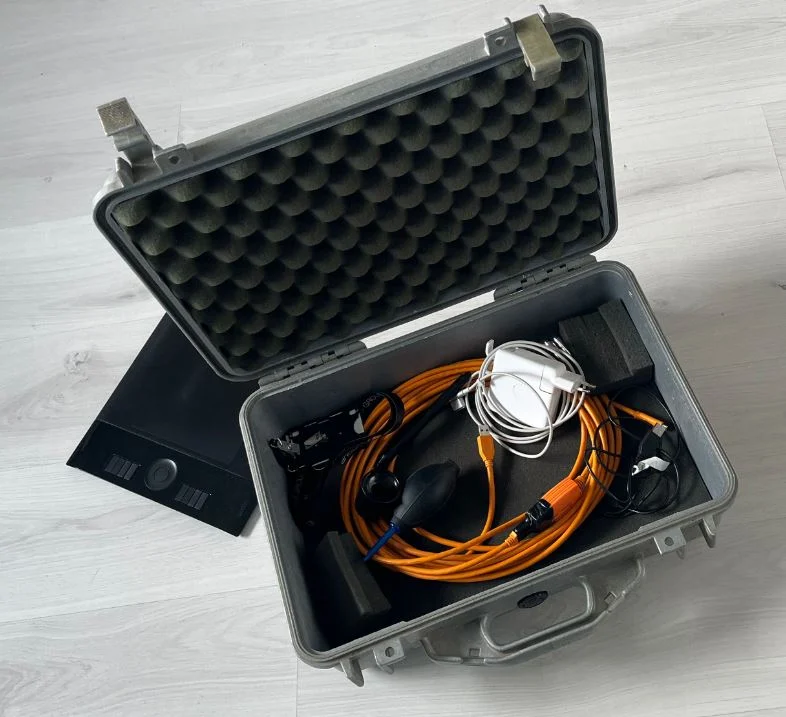

Any videographer who has travelled with sensitive equipment knows that temperature fluctuations can mean disaster. Sudden heat or cold can damage electronics, affect battery life, and warp lenses. Understanding how to guard against these risks is essential for anyone who works on location.
Effects of Temperature Changes on Video Equipment
Cameras, lenses, and audio gear are all susceptible to temperature shock. Extremes can cause condensation inside lenses or housings. Changes in temperature can also make plastics and metals expand or contract, stressing delicate parts. Batteries lose charge faster in the cold and sometimes fail entirely if frozen.
Flight travel introduces unique challenges. Aircraft cabins and holds are subject to rapid pressure and temperature shifts. Many creative professionals rely on tested solutions, such as the Protector cases, that are IP67 rated to keep out dust and moisture even with major environmental changes.
Managing Pressure Changes During Air Travel
Pressurised aircraft cabins only go so far in protecting your kit. Rapid ascents or descents can cause internal air pressure to change inside a suitcase or case. This is why certain models, like those in the Storm cases range, use Vortex valves. These valves automatically equalise pressure, lowering the risk of vacuum-sealed cases or improper closure on landing.
For those who need a carry-on approved option, models like the iM2500 fit aircraft overhead compartments, lowering stress around loading and unloading. The durable design means videographers can trust these solutions are up to the rigours of airborne transport.
Materials and Their Temperature Resistance
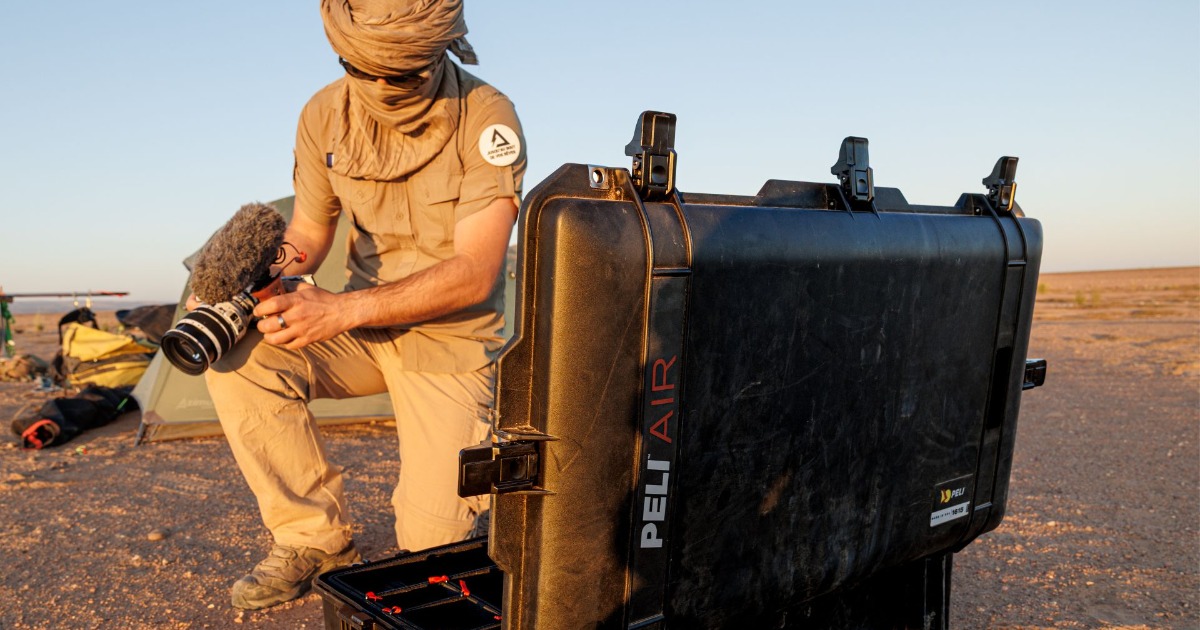
Case materials matter greatly. The Protector series can withstand temperatures as low as -40°C and as high as 99°C. Whether working on a frosty dawn shoot or a baking desert documentary, the shell holds up. The HPX2 resin in Air cases adds engineering-grade strength while being 40% lighter than regular hard cases. This results in less thermal mass, which can speed up temperature adjustment if cases are left in direct sun or extreme cold.
Lighter alternatives, such as the Air 1535, are ideal for quick trips or when weight is at a premium. Less weight means easier carrying and a lower chance of heat being stored in or transmitted through the case walls.
Protecting Gear Inside the Case
How kit is stored inside also affects its vulnerability to thermal shifts. Pick N Pluck foam can be shaped snugly around each piece, reducing air pockets where hot or cold air might accumulate. Properly fitted foam slows the movement of air inside the case, so temperature changes occur more gradually, not suddenly.
TrekPak divider systems allow a custom layout with rigid dividers, creating sections that keep different pieces from contacting each other. This can help isolate more temperature-sensitive items, reducing transfer of heat or cold between lenses or electronics. Using padded dividers is also advisable, especially when the goal is to keep items from knocking together during rough handling or turbulence.
Managing Condensation and Humidity Risks
Bringing cold equipment into a warm, humid environment can result in foggy lenses and dripping circuit boards. This isn’t just inconvenient for shooting schedules. It can end in permanent damage. Airtight seals, such as those tested in the water resistance in video gear guide, help manage this issue. Equally, silica gel packets inside your case help buffer against humidity, especially on location shoots where air conditioning is unavailable.
Insights from Real-World Use
Real-world filming often throws up unexpected weather and logistical challenges. Resilience is the key. Looking into stories on protective cases in the field shows how impact resistance and airtight construction helped save kit from not just impacts but also drastic weather.
If you work in environments where you suspect rapid changes in temperature or weather could be a threat, sturdy locks, strong seals, and tested insulation are must-haves. For items that must be ready to use on arrival, these precautions could mean the difference between a productive shoot and lost footage.
Tips to Avoid Damage
Storing cases out of direct sunlight helps limit thermal absorption. Allow sensitive kit to acclimatise gradually after opening the case. If moving between extreme temperatures, leave the case sealed for 10, 15, or 20 minutes to let the contents adjust. When travelling by air, ensure the pressure-equalisation valve is free from debris and in good working order.
Select a case that fits your shooting style. Rolling cases like the Air 1535 or Storm iM2500 offer both portability and protection for rapid airport transitions. For those needing more storage in checked luggage, the Protector 1610 or Air 1615 provide ample space without sacrificing climate resistance.
Addressing Concerns of Creative Professionals
Many creatives worry about bulk and weight, as larger cases can feel unwieldy for solo shooters or those travelling internationally. Lightweight options, such as Air cases, answer this problem while maintaining high levels of protection. Some also find modular interiors inconvenient. However, leveraging custom-fit foam or TrekPak dividers ensures each piece of gear stays safe from impacts and sudden temperature changes. This is especially important for sensitive camera bodies and lenses. Interested users can find out more tips for avoiding damage to valuables.
Selecting the right case is an important decision for every videographer. For more guidance and product details, visit PELI.