
In high-pressure emergency environments, seconds matter. So do visuals. For medical teams working in chaotic or low-light conditions, the ability to instantly identify and access the right equipment can make all the difference.
That’s where high-visibility protective cases come in—not just as storage, but as essential tools for speed, order, and safety.
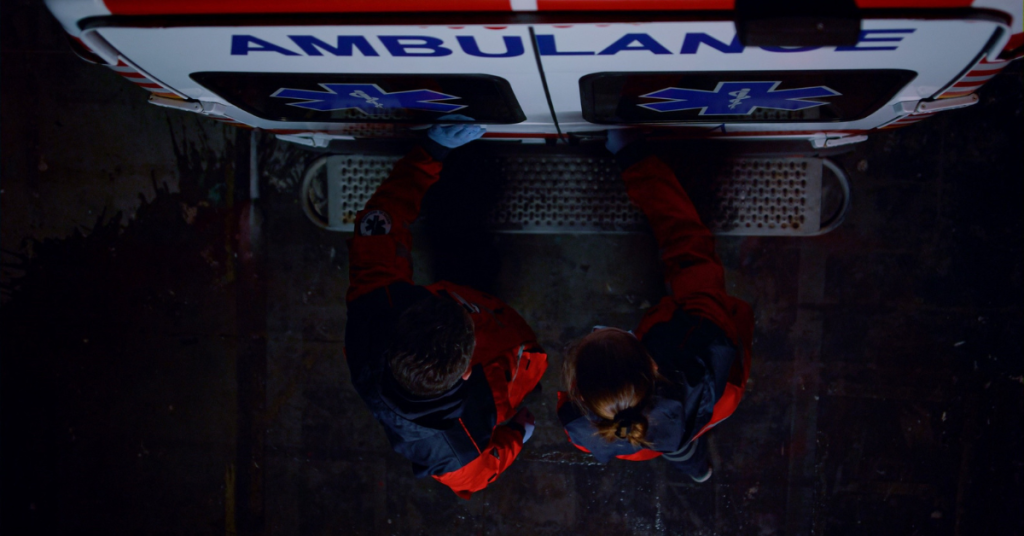
1. Why Are High-Visibility Cases Essential in Emergencies?
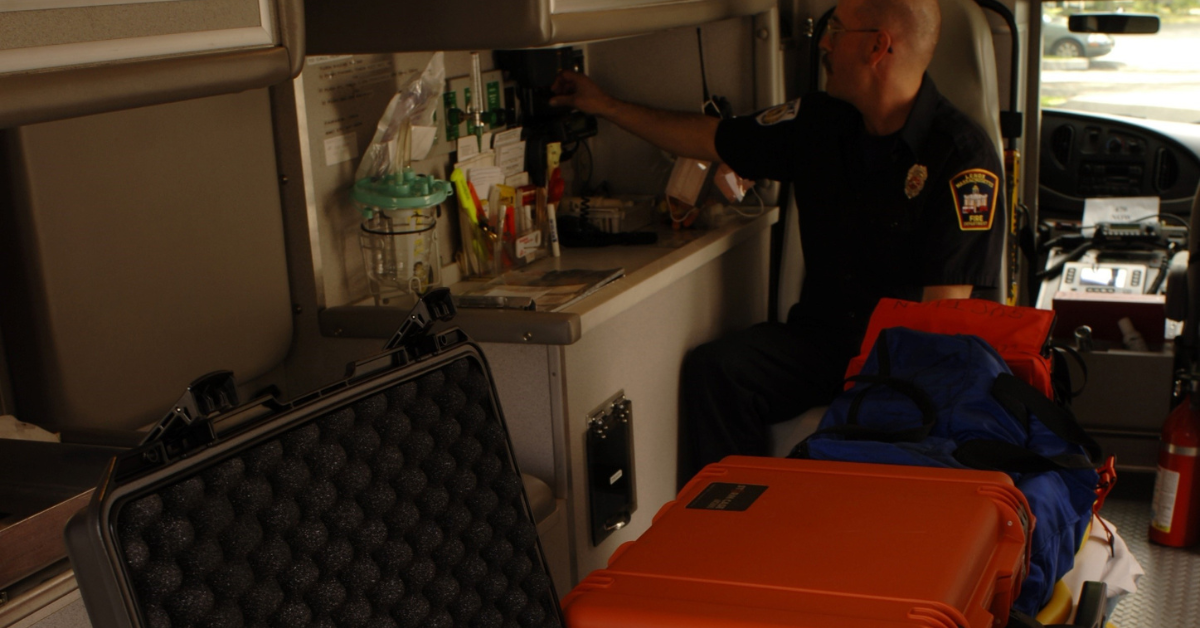
During disasters, medical teams operate in unpredictable and often hazardous environments. Brightly coloured or marked cases:
- Stand out in rubble, debris, or darkness
- Help team members quickly locate critical gear
- Reduce errors in grabbing the wrong equipment
- Aid coordination during multi-team responses
Whether you’re working from a tent, vehicle, or mobile command post, visibility is key to smooth operations.
2. How Do Colours and Markings Improve Efficiency?
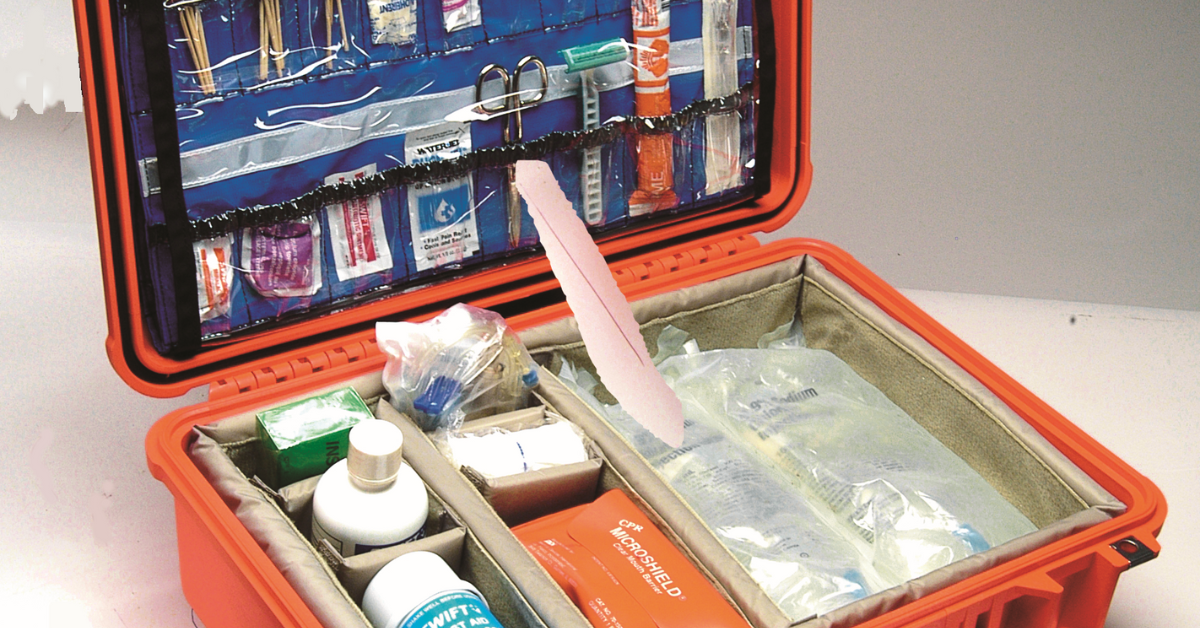
Strategic colour use allows teams to assign meaning to their kits. For example:
- Red = trauma
- Blue = diagnostics
- Yellow = pharmaceuticals
- Green = general supplies
Adding stencilled labels, reflective tape, or barcodes further speeds up identification, especially in dim conditions. It’s a small change with a big impact on response time and workflow clarity.
3. Are High-Visibility Options Also Tough Enough?
Yes—modern protective case manufacturers offer rugged models in a variety of high-visibility colours without compromising on durability. These cases meet the same standards as their standard-colour counterparts, including:
- Impact resistance
- Dust and water protection (IP67)
- Certified for air and cargo transport
The best designs fuse form, function, and field-hardiness in one compact unit.
4. Do Colourful Cases Meet Regulatory Requirements?
Absolutely. Case colour doesn’t affect compliance—as long as the structure, materials, and closures meet medical transport regulations. Most high-vis cases still feature:
- Lockable hardware
- Airtight seals
- Pressure valves
- Chemical resistance
These features ensure the case performs regardless of hue—and helps meet protocols for clean storage and safe handling.
5. How Should Medical Teams Organise Visually?
Best practices include:
- Colour-coding by content type
- Stencilling mission-specific labels
- Adding reflective markers for night ops
- Using consistent formats across teams for standardisation
Brands like PELI offer field-proven, colour-coded case solutions trusted by global response teams. Their high-vis designs make gear easier to locate, faster to deploy, and harder to lose.
In an emergency, the case that stands out is often the one that saves the day.
For more information visit PELI